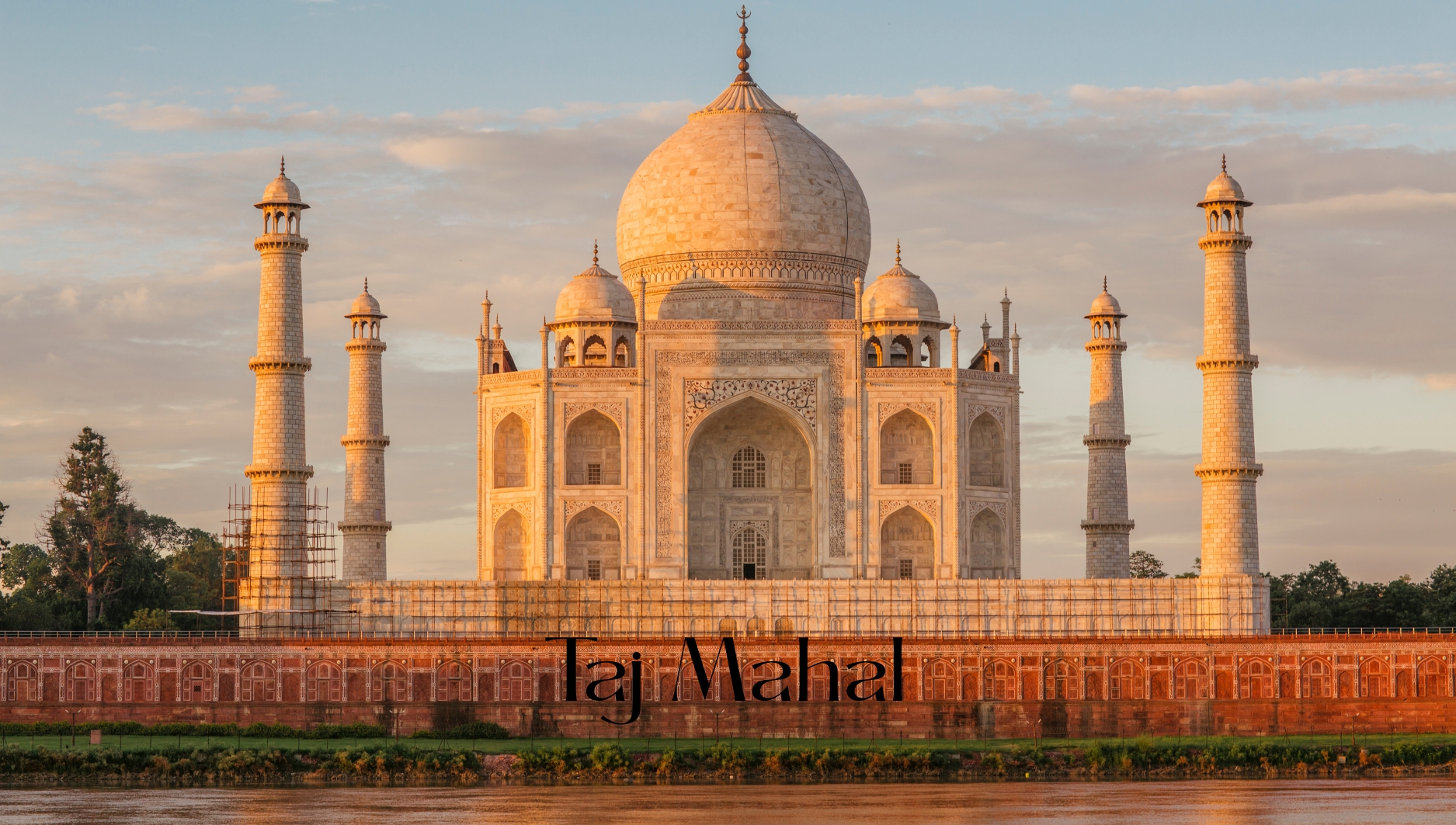
Why, in 2025, the Taj Mahal Remains at the Top of Everyone's Bucket List
The Taj Mahal is more than just a monument; it is a universal representation of strength, beauty, love, and cultural memory. This 17th-century marble tomb still tops bucket lists all around the world, even in 2025, when tourists have access to a plethora of exotic locations, opulent activities, and picturesque scenery. Its tenacity in continuing to be a top option is impressive. The Taj Mahal continues to be a timeless destination for tourists from all walks of life, despite advances in technology, travel influences, and social media trends.
Why is the Taj Mahal so captivating? How does it manage to enthrall millions of tourists every year? Why is it that every generation—from backpackers to historians, from lovers to lovers of architecture—feels the need to see it at least once in a lifetime?
The Taj Mahal's multifaceted history, poignant mythology, stunning visual drama, conservation initiatives, cultural symbolism, traveler reviews, and the surrounding experience are all explored in this lengthy piece.
Let's examine why the Taj Mahalremains the world's top travel destination in 2025.
A Monument That Communicates in Every Human Heart Language
In honor of his cherished wife Mumtaz Mahal, who passed away in 1631, the Mughal Emperor Shah Jahan constructed the Taj Mahal. The story of the Taj remains the most straightforward—and universal—of all monuments: A man created something remarkable out of love.
The Taj resonates emotionally with everyone. You don't need to be an expert in architecture or history to connect with its story. It transforms from a marble structure into a symbol of devotion and timeless memory.
Architecture That Seems Nearly Unattainable
The Taj Mahal is a masterpiece of symmetry, proportions, and craftsmanship. From its floating marble dome to intricate pietra dura inlay, its beauty surpasses modern architectural standards.
Architectural Highlights
- Perfect symmetry across the entire complex
- Iconic onion-shaped dome
- Precious stone inlay work (pietra dura)
- Marble that changes color with light
- Optical illusions like outward-leaning minarets
- Thousands of artisans contributing over a decade
Visitors often describe the Taj as far more breathtaking in person—another reason it stays on top of global bucket lists.
A Sunrise Regarded as "the Most Beautiful in the World"
Sunrise at the Taj Mahal is often called magical. The monument shifts from silvery blue to pink to golden white, creating a living visual masterpiece. The peace, morning breeze, and glow of marble make it deeply emotional.
A Traveler’s Favorite: Millions Continue to Come Each Year
Millions of tourists visit the Taj annually. Despite competition from Bali, Iceland, Japan, and Dubai, the Taj remains unmatched due to its emotional atmosphere and breathtaking beauty.
Common Traveler Reactions
- "It was better than I expected."
- "It felt emotional."
- "Nothing compares to seeing it in person."
- "It felt serene and spiritual."
The Vibrant 2025 Visitor Experience
Visiting the Taj Mahal is more streamlined and engaging in 2025, with improved infrastructure, online ticketing, eco-friendly transportation, and curated cultural experiences.
Modern Enhancements
- Cleaner pathways and gardens
- Faster entry systems
- Photography viewing zones
- Night viewing sessions
- Guided historical and cultural tours
Conservation Initiatives That Maintain Its Radiance
Conservation teams use advanced methods—mud-pack treatments, structural monitoring, pollution control, and artisan restoration—to keep the Taj gleaming for future generations.
A Cultural Environment That Enhances the Trip
The Taj Mahal sits at the center of Agra’s cultural ecosystem, surrounded by Agra Fort, Mehtab Bagh, bustling bazaars, and marble-inlay workshops, offering visitors a complete cultural experience.
Social Media Maintains the Taj’s Prominence
The Taj remains one of the most shared locations on Instagram, TikTok, and travel vlogs. Its symmetry and beauty make it a favorite for romantic and milestone photos.
Its Digital Identity
- A symbol of romantic travel
- A milestone for global travelers
- A top wedding/engagement photo location
- A "bucket list achievement" badge
A Way to Learn More About Indian History
The Taj is not just beautiful—it's a gateway into Mughal architecture, Persian design, medieval craftsmanship, and India's cultural fusion. Guides now offer richer context than ever.
An Emotional and Spiritual Meeting
Many visitors describe the as spiritual or dreamlike. Its tranquility, love story, and majestic presence evoke deep reflection and emotional connection.
A Sign of India’s Global Presence and Identity
The Taj represents India’s artistic brilliance, cultural diversity, and architectural excellence. For many travelers, it is the starting point of their India journey.
The Ideal Meeting Point of Legacy, Beauty, and Emotion
The Taj stays at the top of bucket lists because it blends love, architecture, visual beauty, history, emotion, and global recognition—everything a traveler seeks in a once-in-a-lifetime destination.
Why the Taj Mahal Is Still the Greatest
In 2025, with ever-evolving travel trends, the Taj Mahal remains timeless. It delivers breathtaking beauty, a powerful love story, evolving colors, preserved heritage, and an emotional experience like no other. For many, visiting the Taj is not just a trip—it is a life milestone.