What Is the Best Golden Triangle India Tour for First-Time Visitors?
India is one of the world's most fascinating travel destinations, offering a remarkable blend of ancient history, vibrant culture, magnificent architecture, and unforgettable culinary experiences. For travelers visiting the country for the first time, choosing the right itinerary can be overwhelming because India is vast and incredibly diverse. That is why the Golden Triangle India Tour is widely regarded as the perfect introduction to the country. Connecting the three iconic cities of Delhi, Agra, and Jaipur, this classic travel circuit showcases India's rich heritage while remaining convenient and easy to explore. Whether you are passionate about history, architecture, photography, or local traditions, this journey delivers an unforgettable experience that captures the essence of North India in just a few days.
Why the Golden Triangle Is the Best Choice for First-Time Visitors
The Golden Triangle route forms a triangular circuit connecting Delhi, Agra, and Jaipur, covering approximately 720 kilometers. Each destination offers a completely different perspective on India's cultural and historical identity. Delhi introduces visitors to the nation's dynamic capital, where centuries-old monuments stand beside modern skyscrapers. Agra is home to the breathtaking Taj Mahal, one of the Seven Wonders of the World and a UNESCO World Heritage Site. Jaipur, famously known as the Pink City, welcomes travelers with royal palaces, majestic forts, colorful bazaars, and traditional Rajasthani culture.
The biggest advantage of this itinerary is its accessibility. Excellent highways, railway connections, and domestic transportation make traveling between these cities comfortable and efficient. Visitors can experience Mughal architecture, Rajput heritage, bustling markets, authentic cuisine, and local traditions without covering enormous distances. For someone exploring India for the first time, the Golden Triangle India Tour offers the perfect balance of sightseeing, relaxation, and cultural immersion.
The Ideal Itinerary
A six- or seven-day itinerary is generally considered the best option for first-time visitors because it allows enough time to explore each destination without feeling rushed.
Most tours begin in Delhi, where travelers spend two days discovering both Old and New Delhi. The journey then continues to Agra for one or two days before ending in Jaipur for another two days. Some itineraries also include stops at Fatehpur Sikri, Abhaneri Stepwell, or Bharatpur Bird Sanctuary, adding even more cultural richness to the experience.
This schedule provides enough flexibility to enjoy sightseeing, local cuisine, shopping, and photography while also allowing time to relax between destinations.
Discovering Delhi
Delhi is often described as a city where history meets modern life. Every neighborhood tells a different story, reflecting centuries of political, cultural, and architectural evolution. Exploring Delhi gives travelers a fascinating introduction to India's diverse heritage.
Old Delhi offers an energetic atmosphere filled with narrow lanes, historic mosques, spice markets, and traditional street food. Visitors can explore the magnificent Red Fort, Jama Masjid, and the bustling Chandni Chowk market. A rickshaw ride through these lively streets provides an authentic glimpse into everyday life.
New Delhi presents a completely different experience with broad avenues, government buildings, beautiful gardens, and impressive monuments. India Gate, Humayun's Tomb, Lotus Temple, Rashtrapati Bhavan, and Qutub Minar are among the city's most popular attractions. Each landmark reflects a unique chapter in India's history and architectural evolution.
Food lovers will also appreciate Delhi's incredible culinary diversity. From butter chicken and kebabs to chaat, parathas, and international cuisine, the city offers something for every palate.
Experiencing the Beauty of Agra
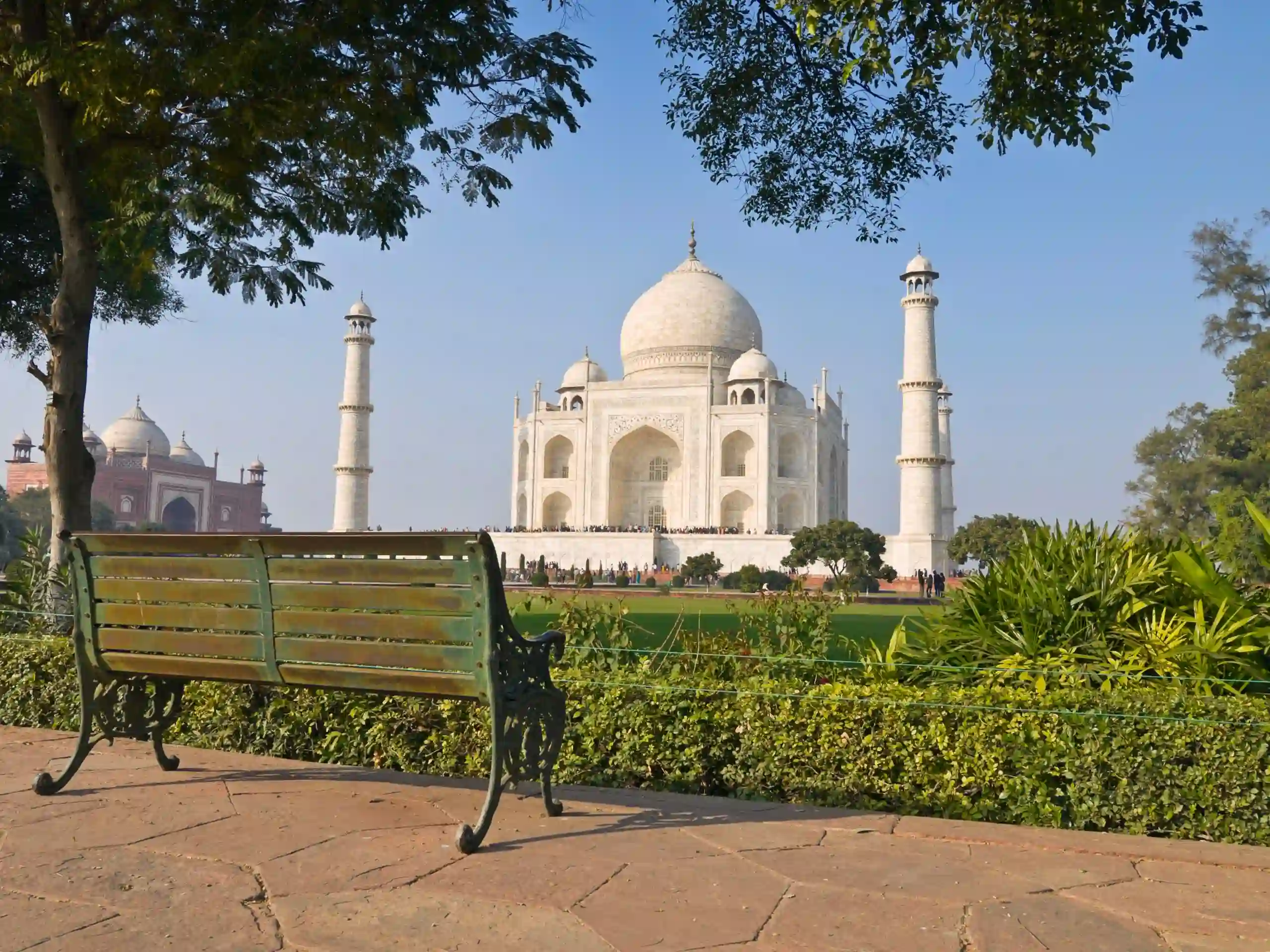
No visit to India feels complete without witnessing the beauty of the Taj Mahal. Built by Emperor Shah Jahan in memory of his beloved wife Mumtaz Mahal, this white marble masterpiece symbolizes eternal love and attracts millions of visitors every year.
The best time to visit the Taj Mahal is early in the morning when the soft sunlight creates magical reflections on the marble surface and the crowds are relatively smaller. Sunrise photography at the monument is particularly popular among travelers.
Agra offers much more than the Taj Mahal. Agra Fort, another UNESCO World Heritage Site, showcases magnificent Mughal architecture and provides spectacular views of the Taj Mahal from across the Yamuna River. Mehtab Bagh, located opposite the Taj Mahal, is another excellent viewpoint, especially during sunset.
Visitors can also explore local marble workshops, leather markets, and traditional sweet shops known for Agra's famous "Petha." These experiences provide deeper insight into the city's artistic traditions and local craftsmanship.
Exploring the Royal City of Jaipur
Jaipur, the capital of Rajasthan, is often the highlight of the journey for many travelers. Its pink-colored buildings, magnificent forts, colorful markets, and royal palaces create an atmosphere unlike anywhere else in India.
Amber Fort is one of Jaipur's most iconic attractions. Perched on a hilltop, the fort features intricate carvings, beautiful courtyards, and panoramic views of the surrounding landscape. Visitors can spend hours exploring its grand halls and learning about Rajput history.
The City Palace remains an active royal residence while housing museums that display royal costumes, weapons, paintings, and artifacts. Nearby, the famous Hawa Mahal, or Palace of Winds, is admired for its unique honeycomb facade with hundreds of small windows designed to keep the palace cool while allowing royal women to observe city life.
Jantar Mantar, a UNESCO World Heritage Site, showcases remarkable astronomical instruments that demonstrate India's scientific achievements centuries ago.
Jaipur is equally famous for its shopping opportunities. Visitors can purchase handcrafted jewelry, textiles, block-printed fabrics, blue pottery, leather products, carpets, and traditional Rajasthani souvenirs. Exploring the city's bustling bazaars is an unforgettable cultural experience.
Best Time to Take the Tour
The most comfortable season for the Golden Triangle India Tour is from October to March. During these months, temperatures remain pleasant, making sightseeing much more enjoyable.
Winter mornings are ideal for visiting outdoor monuments, while evenings are perfect for exploring local markets and enjoying cultural performances. Spring also brings colorful festivals such as Holi, adding a vibrant dimension to the journey.
The summer months, particularly from April to June, can be extremely hot, with temperatures often exceeding 40°C (104°F). Travelers choosing to visit during this period should plan sightseeing during the early morning and late afternoon while staying hydrated throughout the day.
The monsoon season, from July to September, offers lush landscapes and fewer crowds, although occasional heavy rainfall may affect travel plans.
Travel Tips for First-Time Visitors
Planning ahead significantly improves the travel experience. Booking accommodations and transportation in advance ensures better prices and greater availability, especially during the peak tourist season.
Comfortable walking shoes are essential because many attractions involve extensive walking. Lightweight clothing, sunscreen, sunglasses, and a reusable water bottle will help travelers stay comfortable throughout the trip.
Respecting local customs is equally important. Visitors should dress modestly when entering religious sites and remove their shoes where required. Asking permission before photographing local people demonstrates courtesy and respect.
Cash is useful for shopping in local markets, although digital payments are increasingly accepted across major cities. Keeping copies of important travel documents and purchasing travel insurance also provide additional peace of mind.
Hiring a knowledgeable local guide at major attractions can greatly enhance the experience by providing historical context, fascinating stories, and cultural insights that are often missed during independent visits.
Why This Tour Offers Outstanding Value
One of the greatest strengths of the Golden Triangle India Tour is its exceptional value. Travelers can experience three distinctly different cities, multiple UNESCO World Heritage Sites, diverse regional cuisines, and centuries of history within a relatively short timeframe.
Unlike longer itineraries that require extensive domestic flights, the Golden Triangle route can be comfortably completed by road or train. This reduces travel time while allowing visitors to witness India's changing landscapes and rural scenery along the way.
The itinerary also suits every type of traveler. Couples appreciate the romantic beauty of the Taj Mahal, families enjoy interactive cultural experiences, solo travelers benefit from well-established tourist infrastructure, and photographers find endless opportunities to capture stunning architecture, vibrant markets, and colorful festivals.
Food Experiences You Shouldn't Miss
One of the highlights of traveling through the Golden Triangle is experiencing the incredible variety of Indian cuisine. Each city has its own culinary identity, allowing visitors to taste flavors that reflect local traditions and history. Delhi is famous for its vibrant street food culture, where dishes like chole bhature, parathas, butter chicken, kebabs, and golgappas are enjoyed by both locals and tourists.
Agra offers several delicious specialties beyond its famous monuments. The city is particularly known for "Petha," a soft translucent sweet made from ash gourd that has become synonymous with Agra itself. Travelers can also sample Mughlai cuisine, including rich curries, fragrant biryanis, and flavorful kebabs.
Jaipur introduces visitors to the bold and spicy flavors of Rajasthan. Signature dishes such as Dal Baati Churma, Laal Maas, Gatte Ki Sabzi, and Ker Sangri provide an authentic taste of regional cuisine. Many cultural restaurants in Jaipur also feature traditional folk music and dance performances.
Shopping Along the Golden Triangle
Shopping is an essential part of any Golden Triangle itinerary because each destination offers unique handicrafts and locally made products. Delhi's bustling markets, including Connaught Place, Janpath, and Dilli Haat, provide everything from handmade jewelry and textiles to modern fashion and souvenirs.
Agra is internationally recognized for its marble craftsmanship. Skilled artisans continue the tradition of creating intricate marble inlay work inspired by the Taj Mahal. Visitors can purchase decorative tabletops, jewelry boxes, coasters, and elegant home décor pieces.
Jaipur is often considered one of India's best shopping destinations. The city's colorful bazaars feature handcrafted jewelry, gemstones, block-printed fabrics, blue pottery, leather mojari shoes, carpets, and traditional Rajasthani clothing.
Cultural Experiences That Make the Tour Special
While the historical monuments are undoubtedly spectacular, the true charm of the Golden Triangle lies in its living culture. Throughout the journey, visitors encounter diverse traditions, vibrant festivals, colorful attire, and warm hospitality.
In Jaipur, many travelers choose to visit traditional villages where they can learn about rural life, pottery making, and textile weaving. Delhi offers heritage walks through centuries-old neighborhoods, while Agra's artisan workshops demonstrate the delicate process of marble inlay work.
Choosing the Right Tour Package
Selecting the right package depends on your budget, travel style, and available time. Budget tours generally include comfortable hotels, shared transportation, and guided sightseeing at major attractions.
Mid-range tours provide upgraded accommodations, private transportation, and more flexible itineraries. Luxury tours elevate the experience with five-star hotels, personalized guides, fine dining, and exclusive cultural activities.
Travelers interested in extending their itinerary can combine the Golden Triangle India Tour with destinations such as Ranthambore National Park, Varanasi, or Udaipur for an even richer travel experience.
Conclusion
For anyone planning their first visit to India, the Golden Triangle remains the country's most rewarding travel circuit. Combining the historical grandeur of Delhi, the timeless beauty of Agra, and the royal elegance of Jaipur, this journey offers an ideal introduction to India's incredible diversity.
Whether your dream is to admire the Taj Mahal at sunrise, wander through ancient forts, shop in colorful bazaars, or experience India's rich traditions firsthand, this classic route delivers an unforgettable adventure. It combines convenience, comfort, history, and cultural richness into one seamless itinerary, making it the perfect choice for first-time visitors eager to discover the true spirit of India.
Frequently Asked Questions (FAQs)
1. How many days are ideal for a Golden Triangle Tour?
A 6 to 7-day itinerary is ideal, giving travelers enough time to comfortably explore Delhi, Agra, and Jaipur without feeling rushed.
2. What is the best season to visit the Golden Triangle?
The best time is from October to March when the weather is pleasant and ideal for sightseeing.
3. Is the Golden Triangle suitable for family vacations?
Yes. The route is family-friendly and offers historical monuments, cultural attractions, shopping, and comfortable accommodations suitable for travelers of all ages.
4. Can I customize my Golden Triangle itinerary?
Absolutely. Many tour operators offer customizable packages that can include destinations like Ranthambore, Udaipur, Varanasi, or Jodhpur depending on your interests.
5. Is the Golden Triangle India Tour expensive?
Not necessarily. The tour is available in budget, mid-range, and luxury options, making it accessible for different types of travelers. With careful planning, visitors can enjoy an unforgettable experience while staying within their budget.