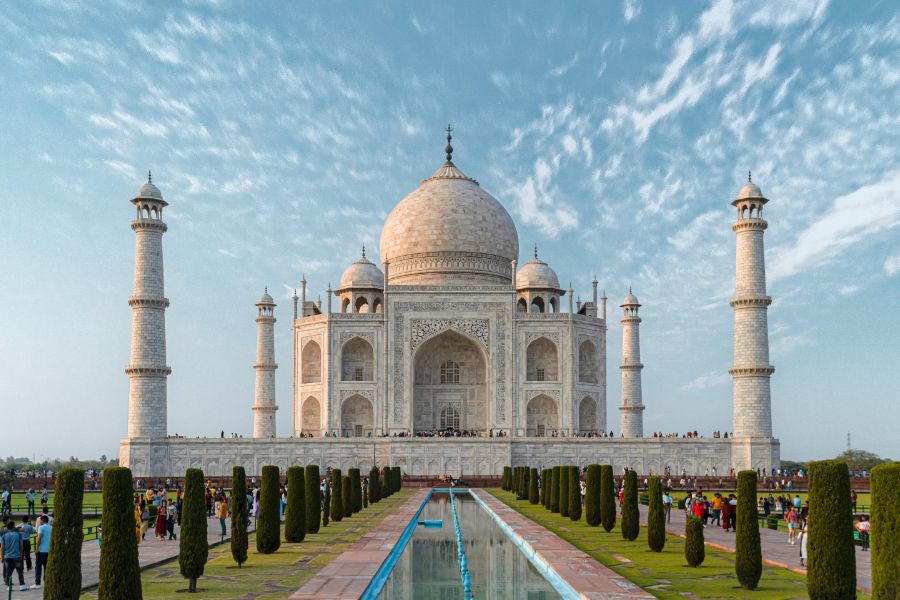
The Taj Mahal is not only a monument; it's a symbol of eternal love, a work of art in Mughal architecture, and a treasure of India that will last forever. Every year, millions of people from all over the world come to Agra to see its beautiful sights in person. This complete guide will help you plan your trip to the
Taj Mahal in 2025. It covers everything from when to go and how much it will cost to get in to how to get tickets online, take pictures, and the best time to go.
The Taj Mahal's History and Legacy
The narrative of the Taj Mahal is both sad and enchanting. The Taj Mahal is the most famous emblem of love. Mughal Emperor Shah Jahan built it in memory of his wife, Mumtaz Mahal. Construction began in 1632 and took 22 years to finish, with over 20,000 artisans working under the guidance of master architects. The white marble building changes color with the time of day – pinkish in the morning, milky white under the moonlight, and golden at sunset — giving an almost mystical effect.
The Taj Mahal is a UNESCO World Heritage Site since 1983. People love its beautiful symmetry, calligraphy, marble inlay work, and exquisitely landscaped gardens, which are all examples of Mughal workmanship at its best.
What's New on the Taj Mahal Tour 2025
In 2025, going to the Taj Mahal will be easier and more memorable than ever. The Archaeological Survey of India (ASI) and Uttar Pradesh Tourism have developed a range of digital and eco-friendly enhancements.
Smart Tourism Features
E-ticketing method for contactless admission
QR-guided tours providing deep historical insights
Virtual tour kiosks for accessibility
Eco-Friendly Measures
Electric shuttle buses and e-rickshaws encircling the monument
Plastic-free zones and water refill stations
Solar lights and better waste management
Enhanced Visitor Facilities
New rest spaces, eateries, and clean restrooms
Improved security and crowd management
Free Wi-Fi and smartphone charging points
All these enhancements make Taj Mahal Tour 2025 a smooth, sustainable, and world-class experience for tourists.
Location - Where Is the Taj Mahal?
The Taj Mahal is located in Agra, in the northern Indian state of Uttar Pradesh, some 200 kilometers (125 miles) from New Delhi. It sits beautifully on the southern bank of the Yamuna River, surrounded by lush gardens and Mughal architecture.
How to Reach Agra:
By Train: The fastest option is the Gatiman Express, which operates between Delhi and Agra in under 2 hours.
By Road: Agra is well-connected via the Yamuna Expressway, allowing for a lovely 3–4 hour journey from Delhi.
By Air: The Pandit Deen Dayal Upadhyay Airport (Agra Airport) serves domestic flights from major Indian cities.
Taj Mahal Timings 2025
The Taj Mahal is open to visitors six days a week – from sunrise to sunset (about 6:00 AM to 6:30 PM). The monument stays closed every Friday for prayers at the mosque inside the complex.
Special Night Viewing
One of the most magical experiences is the Taj Mahal under moonlight. Night viewing is allowed five evenings a month – on the full moon night and two nights before and after it. Tickets for moonlight viewing are restricted and must be booked 24 hours in advance through the ASI office in Agra.
Taj Mahal Entry Fee 2025
Here’s the modified admission price structure for 2025:
Category Entry Fee Additional for Main Mausoleum
Indian Citizens ₹250 ₹200 Citizens of SAARC / BIMSTEC Countries ₹740 ₹200 Foreign Tourists ₹1,300 ₹200 Children (Below 15 Years) Free Free
Note: Tickets can be ordered online on the official ASI website or offline at the entrance booths.
Online Ticket Booking for Taj Mahal 2025
Gone are the days of standing in lengthy lineups. The online ticket system has made it easier for travelers to pre-book their visit.
Steps to Book Tickets Online:
Visit the official ASI website or the UP Tourism portal.
Select “Taj Mahal, Agra” as your monument.
Choose your visit date and time frame.
Enter your data and make payment online.
Download or print the QR-coded ticket for entry.
Pro Tip: Book your tickets at least a day in advance during weekends or busy tourist seasons to avoid last-minute problems.
Best Time to Visit the Taj Mahal
Timing your visit perfectly can make all the difference.
Ideal Season
The greatest time to visit the Taj Mahal is between October and March, when the weather is cool and pleasant. Avoid the summer months (April–June), since temperatures can rise above 40°C (104°F).
Best Time of Day
Sunrise: For beautiful golden hues and less folks.
Sunset: For romantic shots with a warm, mellow glow.
Full Moon Night: For a once-in-a-lifetime experience.
Photography Tips for the Perfect Taj Shot
Everyone wants that famous Taj Mahal photo - here’s how to get it right:
Arrive early in the morning for low people and soft light.
Use the reflecting pool for mirror-like pictures.
For unique viewpoints, head to Mehtab Bagh across the river.
Bring a wide-angle lens to capture the whole majesty.
Avoid tripods inside the main structure - they’re forbidden.
Dress Code and Visitor Etiquette
While there’s no particular dress rule, modest clothes is appreciated. Since it’s a landmark of Islamic heritage, wearing apparel that covers shoulders and knees shows respect. Footwear must be removed (or covered with provided shoe covers) before entering the main tomb.
Etiquette reminders:
Avoid touching marble surfaces or inlays.
Don’t litter; use authorised containers.
Keep your voice low — the Taj deserves dignity.
Nearby Attractions in Agra
While the Taj Mahal is the highlight, Agra is replete with other historical marvels worth exploring:
Agra Fort: A UNESCO site with beautiful Mughal architecture.
Mehtab Bagh: Offers the best sunset view of the Taj.
Itimad-ud-Daulah’s Tomb: Often nicknamed the “Baby Taj.”
Fatehpur Sikri: A short drive away, an abandoned Mughal capital.
Accommodation Options Near the Taj Mahal
From luxurious hotels to budget-friendly lodgings, Agra offers it all.
Luxury: The Oberoi Amarvilas, ITC Mughal, Taj Hotel & Convention Centre
Mid-Range: Crystal Sarovar Premiere, Courtyard by Marriott
Budget: Zostel Agra, Joey’s Hostel (popular among backpackers)
Pro Tip: Choose accomodation near Taj Ganj or East Gate for quick early morning access.
Food and Dining Near the Taj Mahal
Agra’s cuisine is a pleasure in itself! Don’t leave without trying:
Agra Petha (sweet prepared from ash gourd)
Bedai and Jalebi for a local breakfast
Mughlai cuisine including biryani, kebabs, and curries
Top restaurants nearby include Esphahan (Oberoi Amarvilas), Pinch of Spice, and Sheroes Hangout, a café founded by acid attack survivors - amazing and wonderful.
Tips for a Smooth Taj Mahal Visit
Carry a valid ID evidence (needed at the gate).
Avoid carrying heavy bags or food items because security is tight.
Keep a water bottle and hat for summer visits.
Download the ASI mobile app for real-time information.
Hire a qualified guide for deeper understanding.
The Taj Mahal in 2025 isn’t just a visit — it’s an experience that spans time. Whether it’s your first or tenth visit, this marvel will leave you dumbfounded every time. From its stunning design to the love tale that constructed it, the Taj Mahal really stands as a tribute to human skill and emotion.
So, pack your luggage, charge your camera, and prepare to behold one of the most spectacular views on Earth.