Sunrise Taj Mahal Tour Guide for First-Time Visitors
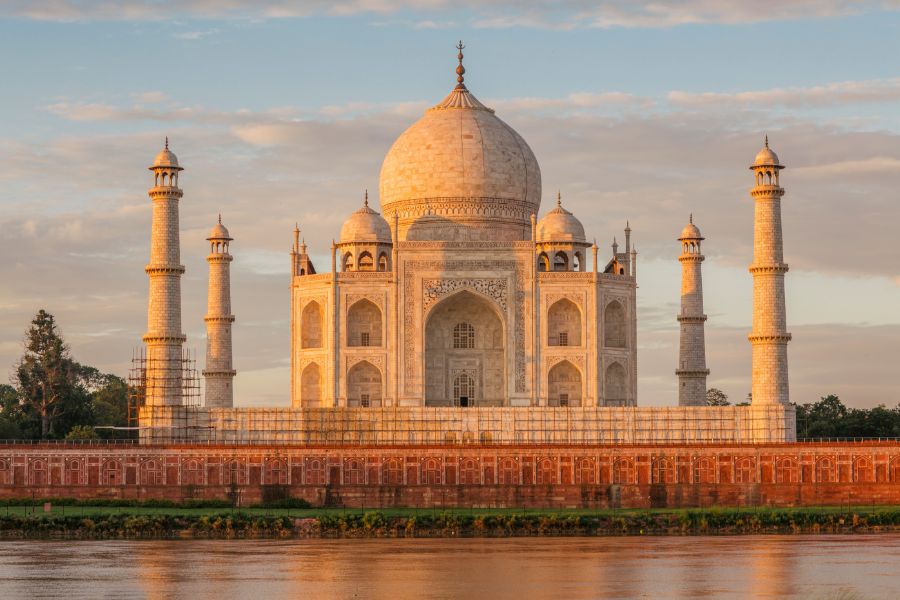
Few travel experiences in the world can match the magic of watching the first rays of sunlight touch the white marble walls of the Taj Mahal. For first-time visitors, a sunrise visit offers a unique opportunity to see India's most famous monument in its most beautiful and peaceful form. As the sky gradually changes from deep blue to soft pink and golden orange, the Taj Mahal transforms into a masterpiece of light and color. The experience feels almost dreamlike, making it one of the most unforgettable moments any traveler can enjoy.
The Taj Mahal, located in Agra, Uttar Pradesh, attracts millions of visitors every year. While many tourists visit during the day, experienced travelers often recommend arriving before dawn. The cooler weather, smaller crowds, and extraordinary photography opportunities make sunrise the ideal time to explore this UNESCO World Heritage Site. If you are planning your first visit, this guide will help you prepare for an incredible journey.
Why Sunrise Is the Best Time to Visit the Taj Mahal
The Taj Mahal is breathtaking at any hour, but sunrise offers a completely different atmosphere. During the early morning hours, the monument appears calm and serene. The large crowds that usually gather later in the day are still absent, allowing visitors to enjoy the beauty of the site without constant distractions.
The changing colors of the marble are another major reason travelers choose a morning visit. As sunlight gradually increases, the marble reflects different shades of pink, gold, and white. This natural phenomenon creates stunning visual effects that photographers and visitors love. The peaceful environment also allows people to appreciate the architectural details, gardens, and historical significance more deeply.
A Sunrise Taj Mahal Tour provides a more comfortable experience compared to midday visits. Agra can become extremely hot, especially during the summer months. Early morning temperatures are much more pleasant, making it easier to walk around and enjoy the monument for an extended period.
Understanding the History Behind the Monument
Before visiting the Taj Mahal, it helps to understand the remarkable story behind its creation. The monument was commissioned by Mughal Emperor Shah Jahan in memory of his beloved wife Mumtaz Mahal, who died in 1631 during childbirth. Heartbroken by her death, the emperor decided to build a mausoleum that would symbolize eternal love.
Construction began in 1632 and took more than twenty years to complete. Thousands of artisans, architects, craftsmen, and laborers worked on the project. The result was one of the finest examples of Mughal architecture ever created. The structure combines Persian, Islamic, and Indian design influences into a harmonious masterpiece.
Today, the Taj Mahal is recognized globally as a symbol of love and devotion. Visitors often find that understanding its emotional history adds another layer of meaning to their experience. Standing before the monument at sunrise, it becomes easier to appreciate why this architectural wonder continues to inspire people from around the world.
Planning Your Sunrise Visit
Proper planning is essential for making the most of your sunrise adventure. The Taj Mahal opens approximately 30 minutes before sunrise, and visitors are encouraged to arrive early. Many travelers reach the entrance gates at least 45 minutes before opening time to avoid delays.
It is important to purchase tickets in advance whenever possible. Online booking can save time and help avoid long queues. Since sunrise is one of the most popular visiting times, securing tickets ahead of your trip is highly recommended.
Choosing the right season also plays a significant role. The months between October and March generally offer cooler temperatures and clearer skies. During these months, sunrise views tend to be particularly stunning. Summer visits can still be rewarding, but travelers should prepare for higher temperatures later in the day.
Transportation should also be arranged in advance. Many visitors stay overnight in Agra to ensure easy access to the monument before dawn. Hotels near the Taj Mahal often provide transportation services specifically designed for early morning visitors.
What to Expect During a Sunrise Taj Mahal Tour
A Sunrise Taj Mahal Tour typically begins well before sunrise. Visitors are picked up from their hotels or arrive independently at the designated entrance gate. After security checks, guests enter the complex while darkness still covers much of the landscape.
As dawn approaches, excitement begins to build. The silhouette of the Taj Mahal slowly emerges against the brightening sky. Within minutes, subtle colors begin appearing on the marble surface. This gradual transformation is one of the highlights of the experience and often leaves visitors speechless.
The early morning environment creates excellent conditions for photography. Without large crowds, photographers can capture cleaner images of the monument and its reflection in the famous central pool. The softer sunlight also produces more flattering and balanced photographs.
Guided tours often include detailed explanations about the architecture, symbolism, and historical events associated with the monument. Learning these details while standing before the structure creates a richer and more meaningful experience.
Photography Tips for First-Time Visitors
Photographing the Taj Mahal at sunrise is a dream for many travelers. The changing light conditions provide endless opportunities for capturing memorable images. However, a little preparation can help you achieve better results.
Arriving early allows you to secure ideal viewing positions before larger groups enter the complex. The central reflecting pool is one of the most popular photography locations because it creates a symmetrical reflection of the monument. The main entrance gate also offers a dramatic framing effect that many photographers love.
A tripod may not always be permitted, so checking current regulations before your visit is important. Even without professional equipment, modern smartphones can capture stunning images during sunrise. The key is patience. As the sunlight changes minute by minute, different photographic opportunities emerge throughout the morning.
Many visitors focus solely on the main structure, but the surrounding gardens, pathways, and decorative details also deserve attention. These elements help tell the complete story of the Taj Mahal and can add variety to your travel photography collection.
Essential Items to Bring
Packing wisely can make your visit more enjoyable. Comfortable walking shoes are highly recommended because visitors spend considerable time exploring the grounds. The marble surfaces and pathways can require more walking than many first-time visitors expect.
A light jacket may be useful during winter mornings when temperatures can be surprisingly cool. Carrying a water bottle is also important, especially if you plan to continue sightseeing after your visit.
Travel documents, identification, and ticket confirmations should be easily accessible. Since security checks are strict, it is wise to avoid carrying unnecessary items. Large bags and prohibited objects may cause delays at the entrance.
Sunscreen and sunglasses become valuable as the morning progresses and sunlight intensifies. Even though the visit begins before dawn, the sun can become quite strong shortly after sunrise.
Exploring Beyond the Main Mausoleum
Many first-time visitors focus entirely on the iconic white marble building, but the Taj Mahal complex includes several additional attractions worth exploring. The beautifully landscaped gardens provide a peaceful setting for reflection and photography.
The mosque located on the western side of the complex showcases elegant Mughal architectural features and remains an active place of worship. Opposite the mosque stands a matching guest house that contributes to the site's perfect symmetry.
Visitors should also spend time examining the intricate marble inlay work. Precious and semi-precious stones were carefully embedded into the marble surfaces, creating detailed floral patterns and decorative motifs. These artistic elements demonstrate the extraordinary craftsmanship involved in constructing the monument.
The Yamuna River flowing behind the Taj Mahal adds another dimension to the experience. Views from the rear side of the complex provide a unique perspective that many tourists overlook.
Common Mistakes First-Time Visitors Should Avoid
One of the biggest mistakes travelers make is arriving too late. Missing the earliest moments of sunrise means missing some of the most spectacular lighting conditions. Planning to arrive before opening time is always the better choice.
Another common mistake is underestimating security procedures. Strict regulations govern what can be brought into the complex. Checking official guidelines before visiting helps avoid unnecessary complications.
Some visitors rush through the experience in an effort to see everything quickly. The Taj Mahal rewards patience. Taking time to observe changing colors, architectural details, and garden views allows for a more meaningful experience.
Travelers also sometimes focus exclusively on photography and forget to appreciate the monument itself. While capturing beautiful images is important, spending a few moments simply admiring the structure can create lasting memories that no photograph can fully replicate.
The Cultural Significance of the Taj Mahal
The Taj Mahal represents much more than architectural brilliance. It serves as a symbol of love, artistic achievement, and cultural heritage. For centuries, poets, historians, artists, and travelers have celebrated its beauty and emotional significance.
The monument reflects the height of Mughal artistic and engineering excellence. Every aspect of its design demonstrates careful planning and extraordinary attention to detail. From the symmetrical layout to the precise geometric patterns, the Taj Mahal showcases the remarkable capabilities of its creators.
For many visitors, standing before the monument at sunrise creates a powerful emotional connection. The combination of history, beauty, and atmosphere often transforms a simple sightseeing trip into a deeply memorable life experience.
A Sunrise Taj Mahal Tour allows travelers to experience this cultural treasure in its most inspiring form. The peaceful morning setting encourages reflection and appreciation, making the visit feel personal and meaningful.
Nearby Attractions to Include in Your Itinerary
Agra offers several attractions that complement a Taj Mahal visit. Agra Fort is one of the city's most significant historical sites. This massive red sandstone fortress served as a royal residence and played an important role in Mughal history.
Mehtab Bagh, located across the Yamuna River, provides excellent views of the Taj Mahal from a different angle. Many photographers visit this garden during sunset, creating a perfect balance to a sunrise tour.
The Tomb of Itimad-ud-Daulah, often called the "Baby Taj," is another fascinating destination. Its delicate marble work and elegant design offer insight into architectural developments that influenced the construction of the Taj Mahal.
Travelers with additional time may also consider visiting Fatehpur Sikri, a historic Mughal city located a short distance from Agra. The site contains impressive palaces, courtyards, and religious structures that showcase the grandeur of the Mughal Empire.
Making the Most of Your Experience
A successful Sunrise Taj Mahal Tour involves more than simply arriving early. It requires slowing down and immersing yourself in the experience. Observe how the monument changes with the light. Notice the intricate carvings and decorative patterns. Listen to the sounds of the morning as the city gradually awakens.
Many travelers describe sunrise at the Taj Mahal as one of the most peaceful moments of their journeys. The combination of architectural beauty and natural light creates an atmosphere that feels almost timeless. Whether you are a history enthusiast, photographer, or casual traveler, the experience offers something uniquely rewarding.
The monument's enduring popularity is easy to understand once you witness it firsthand. Pictures and videos cannot fully capture the sense of scale, elegance, and emotion that accompanies a personal visit.
A final recommendation is to remain flexible. Weather conditions, crowd levels, and lighting can vary from day to day. Embracing the unpredictability of travel often leads to the most memorable experiences.
Conclusion
The Taj Mahal stands among the world's greatest architectural achievements, and sunrise is unquestionably one of the best times to experience its beauty. The peaceful atmosphere, cooler temperatures, smaller crowds, and magical lighting create an unforgettable setting for first-time visitors. A Sunrise Taj Mahal Tour offers far more than sightseeing—it provides an opportunity to connect with history, culture, and one of humanity's most extraordinary monuments.
Whether you are traveling across India or visiting from another part of the world, witnessing the sunrise over the Taj Mahal is an experience that stays with you long after the journey ends. The changing colors of the marble, the fascinating story of eternal love, and the serenity of the early morning hours combine to create memories that last a lifetime.
FAQs
1. What time should I arrive for a sunrise visit to the Taj Mahal?
It is recommended to arrive at least 45 minutes before the monument opens to allow time for security checks and entry.
2. Is a Sunrise Taj Mahal Tour suitable for families?
Yes, families, couples, solo travelers, and groups can all enjoy the experience. The cooler temperatures make it especially comfortable for children and older visitors.
3. Which entrance gate is best for sunrise visitors?
The East Gate is often preferred because it typically experiences shorter waiting times during early morning hours.
4. How long should I spend at the Taj Mahal?
Most visitors spend between two and four hours exploring the complex, taking photographs, and learning about its history.
5. What is the best season for a sunrise visit?
October through March generally offers the most pleasant weather and clearer skies, making it an excellent period for sunrise photography and sightseeing.