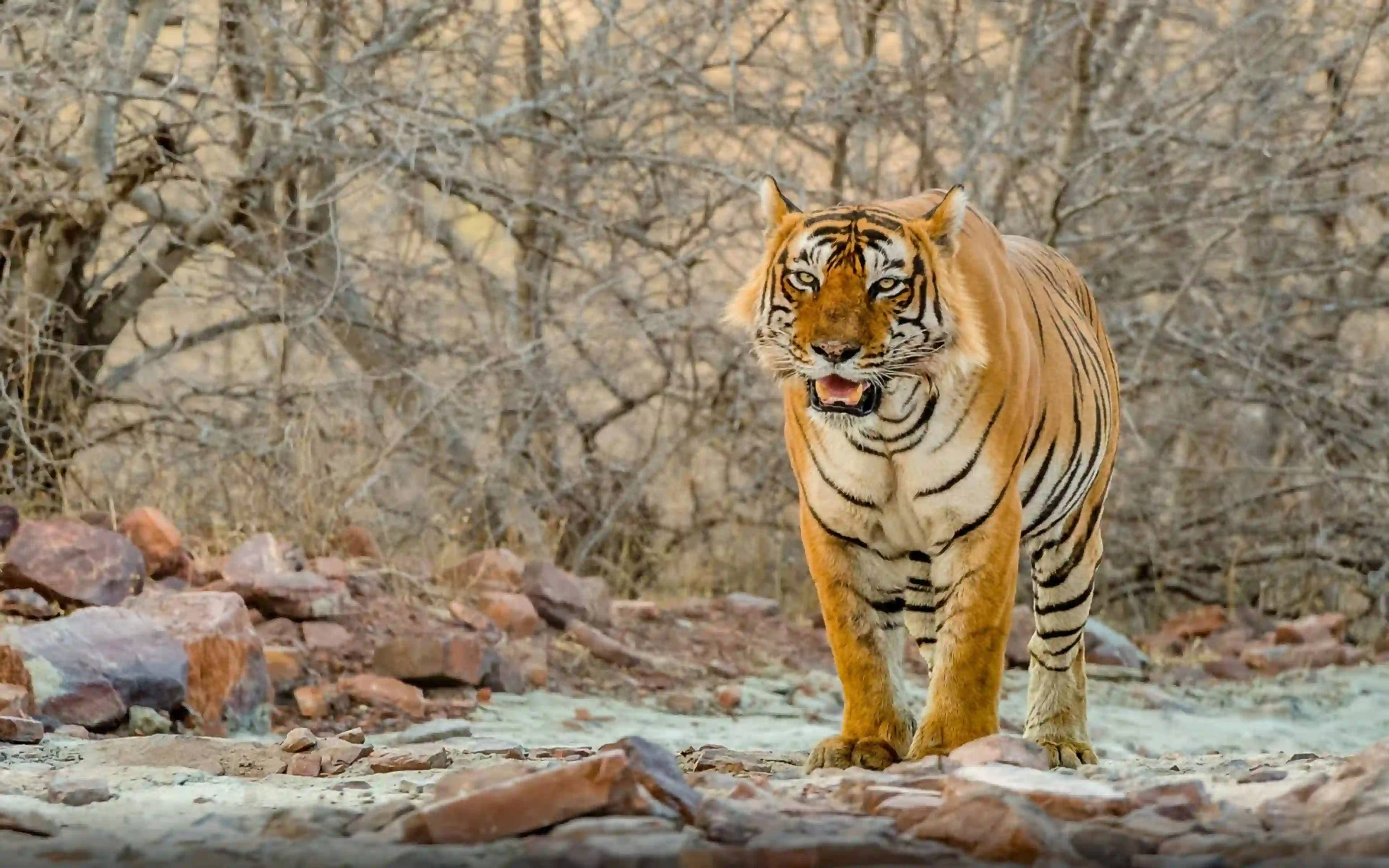
Ranthambore Summer Safari 2026: Why June is the Best Month for Tiger Sightings
There is something unforgettable about hearing the alarm calls of deer echo through a dry forest while your safari jeep slowly moves across dusty jungle tracks. Every traveler inside Ranthambore waits for that magical moment when a Bengal tiger suddenly appears from the wilderness. The excitement is impossible to describe unless you experience it yourself. For wildlife lovers planning an adventure in Rajasthan,
Ranthambore Summer Safari 2026
is becoming one of the most talked-about travel experiences in India.
Many tourists assume winter is the best season for wildlife trips because of pleasant weather, but experienced safari enthusiasts often prefer summer. June, despite its intense heat, offers some of the highest tiger sighting opportunities in Ranthambore National Park. The dry landscape forces animals to gather around limited water sources, making wildlife movement easier to track. Tigers frequently emerge near lakes, ponds, and shaded areas during the hotter parts of the day, creating excellent opportunities for safari visitors and photographers.
The Unique Beauty of Ranthambore National Park
Ranthambore is not just another wildlife destination. It is a place where ancient ruins, rocky hills, dense forests, and open grasslands combine to create a dramatic landscape. The atmosphere feels almost cinematic. One moment you are driving past centuries-old structures hidden among trees, and the next moment you might spot a tiger walking confidently across the safari trail. This unique combination of history and wilderness makes Ranthambore one of India’s most exciting national parks.
The increasing popularity of
Ranthambore Summer Safari 2026
is also connected to social media and wildlife photography. Stunning images of tigers resting near lakes or staring directly into safari cameras have inspired travelers from around the world. Unlike some forests where dense vegetation hides animals completely, Ranthambore’s terrain often provides clearer visibility. This increases the chances of memorable wildlife encounters and gives visitors hope that their safari could turn into a once-in-a-lifetime experience.
Why June is the Best Month for Tiger Sightings
June transforms the forest into a completely different world. The greenery of winter disappears, leaving behind golden grasslands, dry trees, and dusty trails. While the heat may seem challenging, it creates ideal conditions for tiger sightings. Water becomes precious inside the forest, and animals follow predictable patterns to survive. Safari guides understand these patterns very well and use their experience to locate active wildlife zones.
Early morning safaris during June are especially rewarding. The air feels cooler, birds begin calling from the trees, and predators remain active after nighttime hunting. Tigers are often spotted walking near forest roads or resting close to water bodies before temperatures rise later in the day. The soft golden sunlight of sunrise also creates breathtaking photography opportunities. Dust particles glowing in the morning light make every scene appear magical.
Evening safaris offer a completely different mood. As the harsh afternoon heat begins to fade, animals slowly emerge from shaded areas. Tigers may approach lakes for water or move through open meadows searching for prey. The anticipation during evening safaris feels intense because the forest becomes quieter and every sound carries meaning. A monkey warning call or the sudden movement of deer can instantly raise excitement among visitors.
One of the biggest reasons why summer improves tiger sightings is reduced vegetation. During monsoon and winter, thick greenery allows tigers to disappear easily into the forest. In June, however, the dry landscape creates better visibility across large sections of the park. Guides can often spot movement from long distances, and visitors have clearer opportunities to observe wildlife behavior naturally.
Safari Experience in Ranthambore
The safari zones inside Ranthambore each offer unique landscapes and wildlife experiences. Some zones are famous for lakes and ancient ruins, while others are known for rocky hills and dense forest patches. Certain areas have gained legendary reputations among photographers because of repeated tiger sightings. Visitors often become fascinated not only by the tigers themselves but also by the dramatic beauty of the surrounding environment.
Seeing a tiger in the wild creates an emotional reaction that is difficult to explain. Unlike animals in captivity, a wild tiger carries an aura of power and mystery. The moment feels completely unpredictable. You may spend hours quietly searching through the forest, and suddenly the tiger appears directly in front of your jeep. Those few seconds remain unforgettable for years.
Another reason why travelers prefer
Ranthambore Summer Safari 2026
is the thrilling unpredictability of every safari drive. No two safaris are ever the same. One morning you may encounter a tigress walking with cubs near a lake, while the next evening you might witness crocodiles basking near the water or a leopard resting on rocky terrain. This constant uncertainty keeps the experience exciting from beginning to end.
Wildlife Photography Opportunities
Wildlife photographers particularly love visiting Ranthambore during June because the dry conditions create dramatic visual effects. Dust rising behind walking tigers, reflections near shrinking lakes, and warm golden sunlight combine perfectly for stunning images. Summer also increases the chances of observing natural tiger behavior such as cooling in water, hunting movement, territorial marking, or interaction between cubs and mothers.
The national park is also home to a wide variety of animals beyond tigers. Leopards move silently through rocky hills, sloth bears search for food near forest edges, striped hyenas roam hidden areas, and marsh crocodiles rest near lakes. Deer species like sambar and chital are commonly seen throughout the reserve, while langurs act as important warning systems by alerting other animals about predator movement.
Birdwatchers also find June surprisingly rewarding. Many birds gather near remaining water sources during summer, creating excellent observation opportunities. Peacocks become highly active before the monsoon season, often spreading their colorful feathers dramatically. Eagles circle above cliffs, kingfishers flash across lakes, and owls hide inside old ruins during the daytime heat.
Travel Tips for Summer Safari
Preparing properly for a summer safari is extremely important because Rajasthan’s June temperatures can become intense. Light cotton clothing works best for comfort during long safari drives. Neutral shades such as brown, olive, beige, and green are recommended because they blend naturally with the environment. Bright colors should be avoided since they may disturb wildlife.
Hydration becomes essential during summer visits. Travelers should carry enough water, sunglasses, sunscreen, hats, and light scarves for protection against heat and dust. Binoculars also improve the safari experience significantly because they help visitors observe distant wildlife movement more clearly. Cameras with zoom lenses are particularly useful for photography enthusiasts hoping to capture tiger portraits or bird activity.
Booking safaris early is highly recommended because summer tiger sightings attract large numbers of tourists and wildlife photographers. Popular safari zones often become fully reserved weeks in advance. Travelers planning
Ranthambore Summer Safari 2026
should organize permits, accommodation, and transport as early as possible to secure preferred safari timings and zones.
Responsible Wildlife Tourism
Accommodation options around Ranthambore range from luxury jungle resorts to budget-friendly lodges. Many properties are designed to blend with the natural environment, offering peaceful surroundings close to the national park entrance. After long safari drives, relaxing near a quiet garden or listening to distant jungle sounds creates a memorable travel atmosphere.
Responsible tourism is becoming increasingly important in wildlife destinations. Visitors should remember that safaris are not entertainment shows but opportunities to observe nature respectfully. Loud noise, aggressive photography behavior, or attempts to attract animals can disturb the ecosystem. Maintaining silence during sightings allows everyone to enjoy the moment while protecting wildlife from unnecessary stress.
Experienced safari guides often say patience is the key to a successful jungle experience. Some visitors become frustrated if they do not spot a tiger immediately, but the true beauty of Ranthambore lies in the entire ecosystem. Every track, sound, and animal movement contributes to the adventure. Even without a tiger sighting, the forest itself feels alive with mystery and excitement.
The atmosphere before monsoon season gives Ranthambore a unique personality. Dark clouds sometimes begin appearing on the horizon during late June evenings, while warm winds move across dry forests and lakes. This dramatic seasonal transition creates breathtaking landscapes and unforgettable safari memories.
For many travelers, a safari in Ranthambore becomes more than just a holiday. It becomes an emotional connection with nature and wildlife conservation. Watching a tiger move freely through its natural habitat reminds people how important protected forests are for the survival of endangered species. Every safari also supports local tourism communities, guides, drivers, and conservation efforts connected to the national park.
Adventure travelers searching for a thrilling wildlife experience should seriously consider visiting during summer instead of avoiding the heat. The conditions that seem uncomfortable at first are actually the reason why tiger sightings improve dramatically. June reveals the raw and untamed side of the jungle in the most authentic way possible.
The excitement surrounding
Ranthambore Summer Safari 2026
continues growing because travelers are no longer looking for ordinary vacations. People want experiences that feel real, emotional, and unforgettable. A tiger safari in the scorching heat of Rajasthan delivers exactly that. The suspense of tracking wildlife, the beauty of ancient forest landscapes, and the adrenaline rush of a sudden tiger encounter combine into an experience unlike anything else in India.
Conclusion
Ranthambore during June is intense, dramatic, and deeply rewarding for wildlife lovers. The dry forest conditions, shrinking water sources, and reduced vegetation create some of the best tiger sighting opportunities of the year. Every safari feels filled with suspense because the jungle constantly keeps visitors guessing. From sunrise drives through dusty trails to evening encounters near lakes, the experience remains unforgettable from start to finish.
Travelers planning Ranthambore Summer Safari 2026 should prepare for heat, adventure, and unpredictability. Those willing to embrace the harsh summer environment are often rewarded with extraordinary wildlife moments that stay in memory forever. Whether you are a photographer, nature enthusiast, or first-time safari traveler, June offers the perfect opportunity to witness the untamed beauty of Ranthambore National Park.