Jaipur, famously known as the Pink City, is one of India’s most enchanting destinations. Steeped in history, culture, and royal heritage, it offers travelers a unique blend of tradition and modernity. Whether you’re wandering through majestic forts, exploring bustling bazaars, or savoring authentic Rajasthani cuisine, Jaipur promises an unforgettable experience. If you’re planning a trip, this Jaipur Travel Guide for Tourists will walk you through everything you need to know for a memorable visit.
Introduction to Jaipur
Nestled in the heart of Rajasthan, Jaipur is not just a city; it’s a living museum of India’s regal past. Founded in 1727 by Maharaja Sawai Jai Singh II, Jaipur is renowned for its striking architecture, vibrant culture, and warm hospitality. The city earned the nickname “Pink City” due to the pink-painted buildings in its old town, symbolizing hospitality and welcoming visitors.
Jaipur is a perfect destination for history buffs, photographers, shopaholics, and food lovers alike. Every corner of the city tells a story—from the ornate palaces and forts to the colorful streets buzzing with life.
Why Jaipur Should Be on Your Bucket List
Why Jaipur? Well, apart from its stunning forts and palaces, Jaipur offers a kaleidoscope of experiences. From camel rides in the desert to shopping for exquisite handicrafts, Jaipur is a place where memories are crafted. The city also hosts festivals like the Jaipur Literature Festival and Teej, which give you a deeper glimpse into local traditions.
Getting to Know the Pink City
A Glimpse into Jaipur’s History
Jaipur’s history is rich and layered. The city was meticulously planned using ancient Indian architecture principles. Amber Fort, City Palace, Hawa Mahal, and Jantar Mantar are just a few examples of the architectural brilliance that draws tourists from around the world. Each monument echoes tales of Rajput valor, royal lifestyle, and artistic excellence.
Weather and Best Time to Visit
Jaipur has a semi-arid climate. Winters (October to March) are ideal for visiting, with mild temperatures and pleasant days perfect for sightseeing. Summers can get scorching, often crossing 40°C, making midday exploration challenging. Monsoon season brings a different charm, with occasional showers painting the city in lush greenery, though it can be humid.
Local Culture and Traditions
Jaipur is deeply rooted in Rajasthani culture. Traditional music, folk dances, and colorful attire reflect the vibrant lifestyle of the locals. Don’t be surprised to see beautifully decorated camels and elephants during festivals or weddings. Rajasthani cuisine, known for its rich flavors and spices, is another essential part of Jaipur’s cultural tapestry.
How to Reach Jaipur
By Air
Jaipur International Airport is well-connected to major Indian cities like Delhi, Mumbai, and Bangalore. Direct flights from some international destinations also make it accessible for global travelers. From the airport, taxis and cabs are readily available to reach the city center.
By Train
Jaipur Railway Station is a major hub connecting northern and western India. Trains are convenient, affordable, and offer a scenic journey if you’re coming from nearby cities like Delhi, Agra, or Jodhpur.
By Road
Jaipur is well-connected through highways. Buses, private taxis, and self-driving options allow tourists to enjoy a flexible travel schedule. The Jaipur-Delhi highway, for instance, is smooth and well-maintained, making road trips popular among travelers.
Getting Around Jaipur
Public Transport Options
Jaipur has an efficient public transport network including buses and metro lines. The Jaipur’s Metro connects major areas, making travel faster, especially during peak tourist seasons.
Hiring Taxis and Private Vehicles
For more comfort, taxis, auto-rickshaws, and private car rentals are readily available. Hiring a private vehicle is ideal for visiting forts and attractions outside the city center, giving you flexibility and convenience.
Exploring on Foot or Bicycle
Walking tours and bicycle rentals are becoming increasingly popular. The old city, with its narrow lanes and bustling markets, is best explored on foot to soak in the local vibe.
Top Attractions in Jaipur
Amber Fort
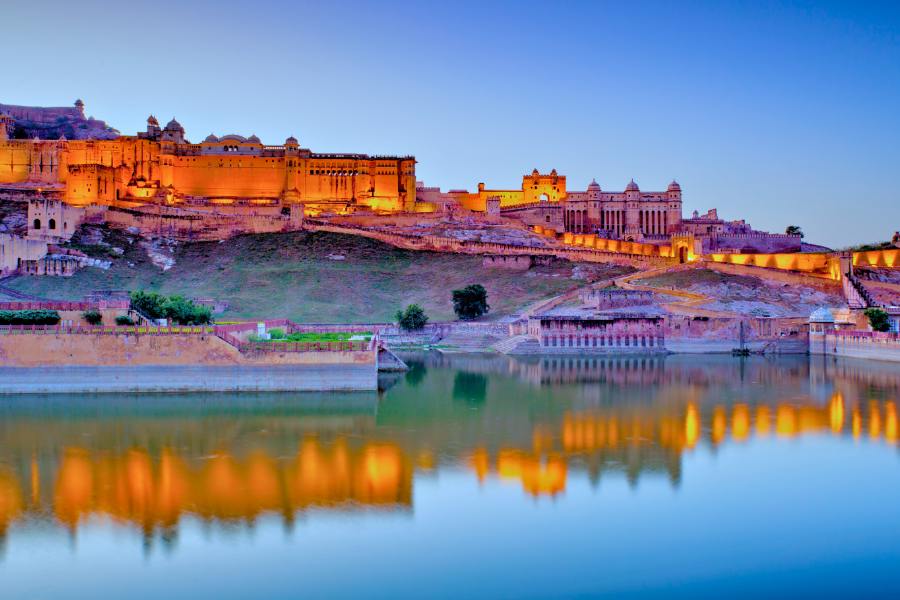
Amber Fort, perched on a hilltop, is a blend of Hindu and Mughal architecture. Don’t miss the Sheesh Mahal (Mirror Palace) and the panoramic views of Maota Lake.
City Palace
City Palace, located in the heart of Jaipur, houses museums and royal residences. Its intricate courtyards and stunning architecture make it a must-visit.
Hawa Mahal
Hawa Mahal, or “Palace of Winds,” is famous for its pink façade with 953 small windows. It was designed to allow royal ladies to observe street festivities without being seen.
Jantar Mantar
Jantar Mantar is an astronomical marvel built in the 18th century. Its gigantic instruments offer insight into ancient astronomy practices and remain a UNESCO World Heritage site.
Jaipur’s Temples
Birla Mandir and Govind Dev Ji Temple are iconic spiritual spots. The architecture and serene atmosphere make them worth visiting.
Markets and Shopping in Jaipur
Johari Bazaar
Famous for jewelry, Johari Bazaar is where you’ll find exquisite gemstones, traditional Kundan jewelry, and souvenirs.
Bapu Bazaar
Bapu Bazaar is a treasure trove for textiles, leather goods, and handicrafts. Bargaining is common, so be prepared to haggle for the best prices.
Tripolia Bazaar
Known for brassware and home décor items, Tripolia Bazaar is perfect for picking up unique gifts.
Local Cuisine
Jaipur is a paradise for food lovers. Don’t miss these local delicacies:
- Dal Baati Churma: A quintessential Rajasthani dish.
- Ghewar: A traditional sweet, especially popular during festivals.
- Laal Maas: Spicy mutton curry for meat lovers.
- Pyaaz Kachori: A flavorful street food snack.
Cultural Experiences
Participate in folk dance shows, puppet performances, or pottery workshops to experience Jaipur’s culture up close. The city’s festivals, like Jaipur Literature Festival and Gangaur, provide lively and colorful experiences for tourists.
Day Trips from Jaipur
- Amber and Nahargarh Forts: Explore nearby historic forts with scenic views.
- Samode Village: Traditional Rajasthani village known for its architecture and crafts.
- Chokhi Dhani: An ethnic village resort offering cultural performances and authentic food.
Tips for Tourists
- Wear comfortable footwear for extensive walking.
- Carry water and sunscreen, especially during summer.
- Respect local customs and dress modestly when visiting temples.
- Use authorized guides for a better historical understanding.
- Bargain respectfully in markets.
Accommodation Options in Jaipur
Jaipur caters to all budgets. From luxury hotels like Rambagh Palace to budget-friendly guesthouses, there’s something for everyone. Staying in heritage hotels can enhance the royal experience.
Safety Tips
Jaipur is generally safe for tourists, but basic precautions should be followed:
- Keep valuables secure.
- Avoid traveling alone late at night.
- Be cautious with street food if you have a sensitive stomach.
Jaipur is a city where history, culture, and modern life merge seamlessly. Whether it’s marveling at the grandeur of Amber Fort, shopping in vibrant bazaars, or tasting rich Rajasthani cuisine, the city offers endless experiences. This Jaipur Travel Guide for Tourists ensures you don’t miss any of the magic that makes Jaipur unforgettable. So pack your bags, wear comfortable shoes, and get ready to explore the Pink City in all its glory.