Jaipur Heritage Tour: Forts, Palaces and Culture
Jaipur, popularly known as the Pink City of India, is one of the country's most fascinating destinations. Rich in history, royal traditions, magnificent architecture, and vibrant culture, Jaipur offers travelers a unique glimpse into Rajasthan's glorious past. As the capital of Rajasthan, the city is renowned for its majestic forts, grand palaces, bustling bazaars, and colorful festivals that continue to attract millions of visitors from around the world.
A Jaipur Heritage Tour: Forts, Palaces and Culture is more than just a sightseeing journey; it is an immersive experience that takes travelers through centuries of Rajput history, artistic brilliance, and living traditions. Every street, monument, and market tells a story of courage, royalty, and cultural richness. Whether you are a history enthusiast, architecture lover, photographer, or cultural explorer, Jaipur promises unforgettable memories.
This comprehensive guide explores the city's most iconic heritage attractions, cultural experiences, travel tips, and everything you need to know for an enriching journey through Jaipur.
Why Jaipur Is Called the Pink City
One of the first things visitors notice upon arriving in Jaipur is the distinctive pink color of many buildings in the old city. The tradition dates back to 1876 when Maharaja Sawai Ram Singh ordered the city to be painted pink to welcome Prince Albert of Wales during his visit to India.
Pink was considered a color of hospitality and warmth, and the tradition has continued ever since. Today, the old city's uniform pink façade creates a charming visual identity that sets Jaipur apart from other Indian cities.
Walking through the historic streets feels like stepping into a living museum where ancient architecture and modern life coexist harmoniously. This unique atmosphere is one of the reasons why the Jaipur Heritage Tour experience remains so popular among international travelers.
The Historical Legacy of Jaipur
Founded in 1727 by Maharaja Sawai Jai Singh II, Jaipur was one of India's first planned cities. Unlike many medieval cities that developed organically, Jaipur was carefully designed according to ancient Hindu architectural principles known as Vastu Shastra.
The city's wide avenues, organized markets, and strategic layout reflected advanced urban planning for its time. Jaipur quickly became a center for trade, culture, science, and education. The rulers of Jaipur invested heavily in art, architecture, astronomy, and public infrastructure, leaving behind a legacy that continues to impress visitors today.
The city's heritage is deeply rooted in Rajput traditions of bravery, honor, and hospitality. Exploring Jaipur offers travelers a rare opportunity to understand the lifestyle and achievements of one of India's most influential royal dynasties.
Amber Fort: The Crown Jewel of Jaipur
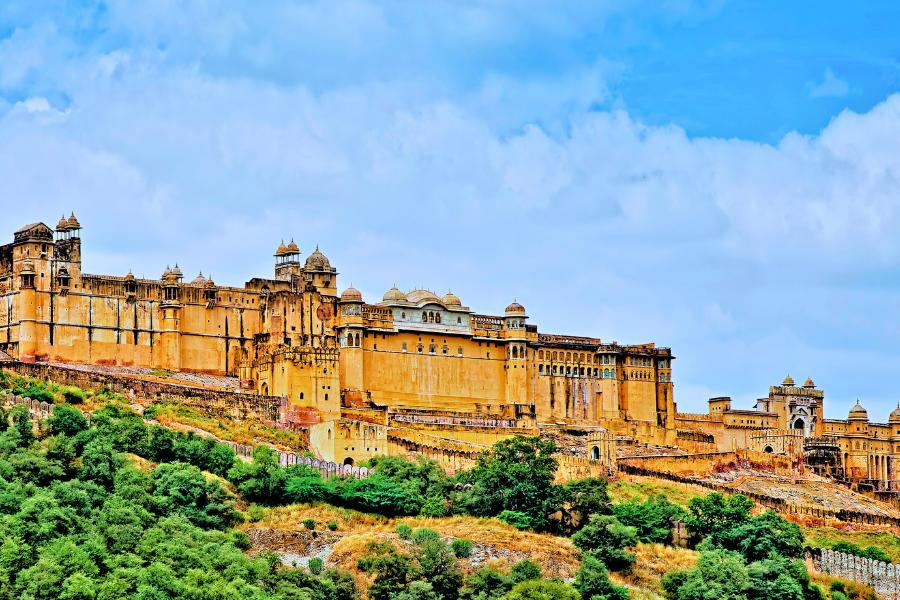
No visit to Jaipur is complete without exploring Amber Fort, one of Rajasthan's most spectacular architectural masterpieces. Located on a hill overlooking Maota Lake, the fort combines military strength with royal elegance.
Constructed primarily from red sandstone and marble, Amber Fort showcases a stunning blend of Rajput and Mughal architectural styles. Visitors enter through impressive gates before discovering a series of courtyards, palaces, temples, and gardens.
One of the most admired sections of the fort is the Sheesh Mahal, or Mirror Palace. Thousands of tiny mirrors decorate the walls and ceilings, creating a magical effect when illuminated by light. The craftsmanship displayed throughout the fort demonstrates the extraordinary artistic skills of Rajasthan's artisans.
The panoramic views from Amber Fort are equally breathtaking. Visitors can admire the surrounding hills, ancient defensive walls, and picturesque landscapes that make this site a highlight of any Jaipur Heritage Tour itinerary.
City Palace: A Living Royal Residence
Situated in the heart of Jaipur, the City Palace remains one of the city's most important landmarks. Unlike many historic palaces that have been converted entirely into museums, parts of the City Palace continue to serve as the residence of Jaipur's royal family.
The complex features an impressive combination of courtyards, gardens, museums, and ceremonial halls. Its architecture reflects a blend of Rajput, Mughal, and European influences, showcasing the city's evolving artistic traditions.
Visitors can explore several fascinating sections, including:
- Mubarak Mahal
- Chandra Mahal
- Diwan-i-Khas
- Diwan-i-Aam
- Maharani Palace
The palace museum houses an extensive collection of royal costumes, weapons, manuscripts, paintings, and artifacts that provide valuable insights into Rajasthan's royal heritage.
Every corner of the City Palace reflects the grandeur and sophistication of Jaipur's former rulers, making it an essential stop for history enthusiasts.
Hawa Mahal: The Palace of Winds
Among Jaipur's most photographed landmarks, Hawa Mahal stands as a symbol of the city's architectural beauty. Built in 1799 by Maharaja Sawai Pratap Singh, the structure features an extraordinary façade consisting of 953 intricately designed windows known as jharokhas.
The purpose of these windows was to allow royal women to observe street festivals and daily life without being seen by the public. This arrangement reflected the traditional purdah system practiced by royal families at the time.
The honeycomb-like design not only creates visual beauty but also facilitates natural ventilation. Even during hot summer months, cool air circulates through the structure, earning it the name "Palace of Winds."
Visitors who climb to the upper levels enjoy excellent views of Jaipur's bustling streets and surrounding monuments.
Nahargarh Fort: The Best Sunset Point in Jaipur
Perched atop the Aravalli Hills, Nahargarh Fort offers some of the most spectacular views of Jaipur. Originally constructed as a defensive structure, the fort later became a retreat for Jaipur's royal family.
The fort's strategic location provides panoramic views of the Pink City, making it particularly popular during sunset. As the sun descends over Jaipur's skyline, the city glows with shades of gold and pink, creating unforgettable photographic opportunities.
Within the fort complex, visitors can explore Madhavendra Bhawan, a beautiful palace featuring suites designed for the king and his queens. The elegant architecture and peaceful surroundings provide a glimpse into royal life during the nineteenth century.
For travelers seeking both history and scenic beauty, Nahargarh Fort is an essential destination.
Jaigarh Fort: The Fort of Victory
Located near Amber Fort, Jaigarh Fort was built primarily for military purposes. Unlike the decorative palaces of Jaipur, Jaigarh emphasizes strength, defense, and strategic planning.
The fort is famous for housing Jaivana Cannon, one of the largest wheeled cannons ever constructed. Although it was reportedly fired only once, the cannon remains a symbol of Rajput military power.
Visitors can explore:
- Massive fortifications
- Watchtowers
- Water reservoirs
- Underground passages
- Armories
The fort also offers impressive views of Amber Fort and the surrounding countryside. Together, Amber and Jaigarh create a fascinating contrast between royal luxury and military preparedness.
Jantar Mantar: A Scientific Wonder
Jaipur's heritage extends beyond palaces and forts. Jantar Mantar, a UNESCO World Heritage Site, demonstrates the city's historical contributions to astronomy and science.
Built by Maharaja Sawai Jai Singh II, the observatory contains a collection of massive astronomical instruments designed to measure time, predict eclipses, and track celestial movements.
Many of these instruments remain remarkably accurate even by modern standards. The Samrat Yantra, the world's largest stone sundial, can measure time with impressive precision.
Visitors are often amazed by the sophistication of these centuries-old scientific structures. Jantar Mantar highlights Jaipur's role as a center of knowledge and innovation.
Cultural Experiences in Jaipur
A Jaipur Heritage Tour is not limited to monuments alone. The city's living culture offers countless opportunities for meaningful experiences.
Traditional Music and Dance
Rajasthan is famous for its vibrant folk traditions. Visitors can enjoy performances featuring:
- Ghoomar Dance
- Kalbeliya Dance
- Folk Singing
- Traditional Instruments
These performances showcase the region's artistic heritage and provide insight into local customs.
Local Festivals
Jaipur hosts several colorful festivals throughout the year, including:
- Jaipur Literature Festival
- Teej Festival
- Gangaur Festival
- Kite Festival
These celebrations bring the city to life with music, processions, decorations, and cultural activities.
Artisan Workshops
Many travelers enjoy visiting workshops where skilled craftsmen create:
- Block-Printed Textiles
- Blue Pottery
- Jewelry
- Hand-Painted Artwork
- Marble Sculptures
Watching artisans at work provides a deeper appreciation for Rajasthan's artistic traditions.
Shopping in Jaipur
Jaipur is a paradise for shoppers seeking authentic handicrafts and traditional products.
Johari Bazaar
Famous for gemstones and jewelry.
Bapu Bazaar
Known for textiles, footwear, and handicrafts.
Tripolia Bazaar
Offers traditional lac bangles and decorative items.
Chandpole Bazaar
Features marble carvings and handmade crafts.
Shopping in Jaipur allows visitors to bring home unique souvenirs while supporting local artisans and businesses.
Traditional Cuisine of Jaipur
Food plays an important role in Jaipur's cultural identity. The city's cuisine reflects Rajasthan's royal heritage and desert environment.
Popular Dishes
Dal Baati Churma
A traditional Rajasthani meal consisting of baked wheat balls, lentils, and sweet crumble.
Laal Maas
A spicy mutton curry historically favored by Rajput warriors.
Ghewar
A famous Rajasthani dessert often enjoyed during festivals.
Pyaaz Kachori
A crispy snack filled with spiced onions.
Many heritage restaurants offer authentic dining experiences in restored palaces and havelis, adding a royal touch to every meal.
Best Time to Visit Jaipur
The ideal period for a Jaipur Heritage Tour: Forts, Palaces and Culture is between October and March.
Winter Season
- Pleasant temperatures
- Ideal sightseeing conditions
- Cultural festivals
- Clear skies
Summer Season
- High temperatures
- Fewer tourists
- Lower accommodation rates
Monsoon Season
- Refreshing rainfall
- Green landscapes
- Moderate tourist crowds
Winter remains the preferred season for most international travelers.
Travel Tips for Foreign Visitors
- Wear comfortable walking shoes.
- Carry sunscreen and sunglasses.
- Stay hydrated throughout the day.
- Hire licensed local guides for historical insights.
- Dress modestly when visiting temples.
- Book accommodations in advance during peak season.
- Keep cash available for small purchases.
These simple preparations can greatly enhance your travel experience.
Why Jaipur Remains One of India's Top Heritage Destinations
The enduring popularity of the Jaipur Heritage Tour can be attributed to the city's remarkable ability to preserve its historical identity while embracing modern tourism. Few destinations offer such a rich combination of royal architecture, scientific achievements, cultural traditions, culinary delights, and vibrant markets.
Visitors leave Jaipur with a deeper understanding of Rajasthan's history and an appreciation for the artistic and architectural accomplishments of its rulers. Every fort, palace, and street corner contributes to a narrative that spans centuries.
Conclusion
Jaipur stands as one of India's most extraordinary cultural treasures. Its majestic forts, elegant palaces, colorful traditions, and welcoming atmosphere create an experience unlike any other. From the grandeur of Amber Fort and City Palace to the scientific brilliance of Jantar Mantar and the bustling energy of traditional bazaars, the city offers endless opportunities for exploration and discovery.
A Jaipur Heritage Tour: Forts, Palaces and Culture provides travelers with a fascinating journey through Rajasthan's royal past while showcasing the vibrant traditions that continue to shape the city today. Whether you're a history lover, architecture enthusiast, photographer, or cultural explorer, Jaipur promises unforgettable memories and timeless experiences.
FAQs
1. How many days are ideal for a Jaipur Heritage Tour?
Three to four days are generally sufficient to explore Jaipur's major forts, palaces, markets, and cultural attractions.
2. What is the most famous fort in Jaipur?
Amber Fort is considered the most famous and frequently visited fort in Jaipur.
3. Is Jaipur suitable for international tourists?
Yes, Jaipur is one of India's most tourist-friendly cities with excellent infrastructure, accommodations, and guided tour services.
4. What is the best time to visit Jaipur?
October to March offers the most comfortable weather for sightseeing and outdoor activities.
5. Why is Jaipur called the Pink City?
The city was painted pink in 1876 to welcome Prince Albert, and the tradition has continued ever since, giving Jaipur its distinctive identity.