How Many Days Do You Need for a Golden Triangle India Tour?
How Many Days Do You Need for a Golden Triangle India Tour?
Planning a trip to India for the first time can feel overwhelming because there is so much to see and experience. Among all the travel routes available, the
Golden Triangle India Tour
stands out as the most popular choice for both international and domestic travelers. Covering Delhi, Agra, and Jaipur, this iconic circuit offers an unforgettable blend of history, architecture, culture, and local traditions. Whether you're fascinated by magnificent forts, bustling markets, royal palaces, or world-famous monuments like the Taj Mahal, this journey delivers an authentic introduction to India's incredible diversity.
One of the most common questions travelers ask is: How many days do you need for a Golden Triangle India Tour? The answer depends on your travel style, budget, and interests. While it is technically possible to complete the route in three days, doing so leaves little time to truly appreciate each destination. Most travel experts recommend spending between 5 and 7 days, allowing enough time to explore the highlights without feeling rushed. If your schedule permits, extending the trip to 8–10 days offers an even richer experience with optional excursions and more leisurely sightseeing.
What Is the Golden Triangle India Tour?
The
Golden Triangle India Tour
is India's most famous travel circuit, connecting three culturally rich cities—Delhi, Agra, and Jaipur. The route forms a triangle on the map, giving the journey its well-known name. Each city represents a different chapter of India's remarkable history. Delhi showcases the country's political and historical evolution, Agra reflects the grandeur of the Mughal Empire, and Jaipur introduces travelers to the colorful traditions of Rajasthan.
This route has become the preferred choice for first-time visitors because it combines UNESCO World Heritage Sites, vibrant local markets, historical monuments, luxury hotels, authentic cuisine, and excellent transportation. The journey offers a balanced mix of urban experiences, historical exploration, and cultural immersion, making it suitable for families, solo travelers, honeymooners, and photography enthusiasts alike.
How Many Days Are Ideal?
For most travelers, 5 to 7 days is the perfect duration. This timeframe allows enough flexibility to enjoy the major attractions while also leaving room for shopping, local dining, and experiencing the atmosphere of each destination. A shorter trip often feels rushed, while a longer itinerary provides opportunities to visit nearby attractions such as Fatehpur Sikri, Abhaneri Stepwell, or Ranthambore National Park.
| Trip Duration |
Best For |
Experience |
| 3 Days |
Business Travelers |
Covers only major highlights at a fast pace. |
| 5 Days |
First-Time Visitors |
Comfortable sightseeing with limited rushing. |
| 6–7 Days |
Most Travelers |
Ideal balance of sightseeing and relaxation. |
| 8–10 Days |
Leisure Travelers |
Includes nearby attractions and cultural experiences. |
A 5-Day Golden Triangle Itinerary
A five-day itinerary is often considered the sweet spot for the
Golden Triangle India Tour.
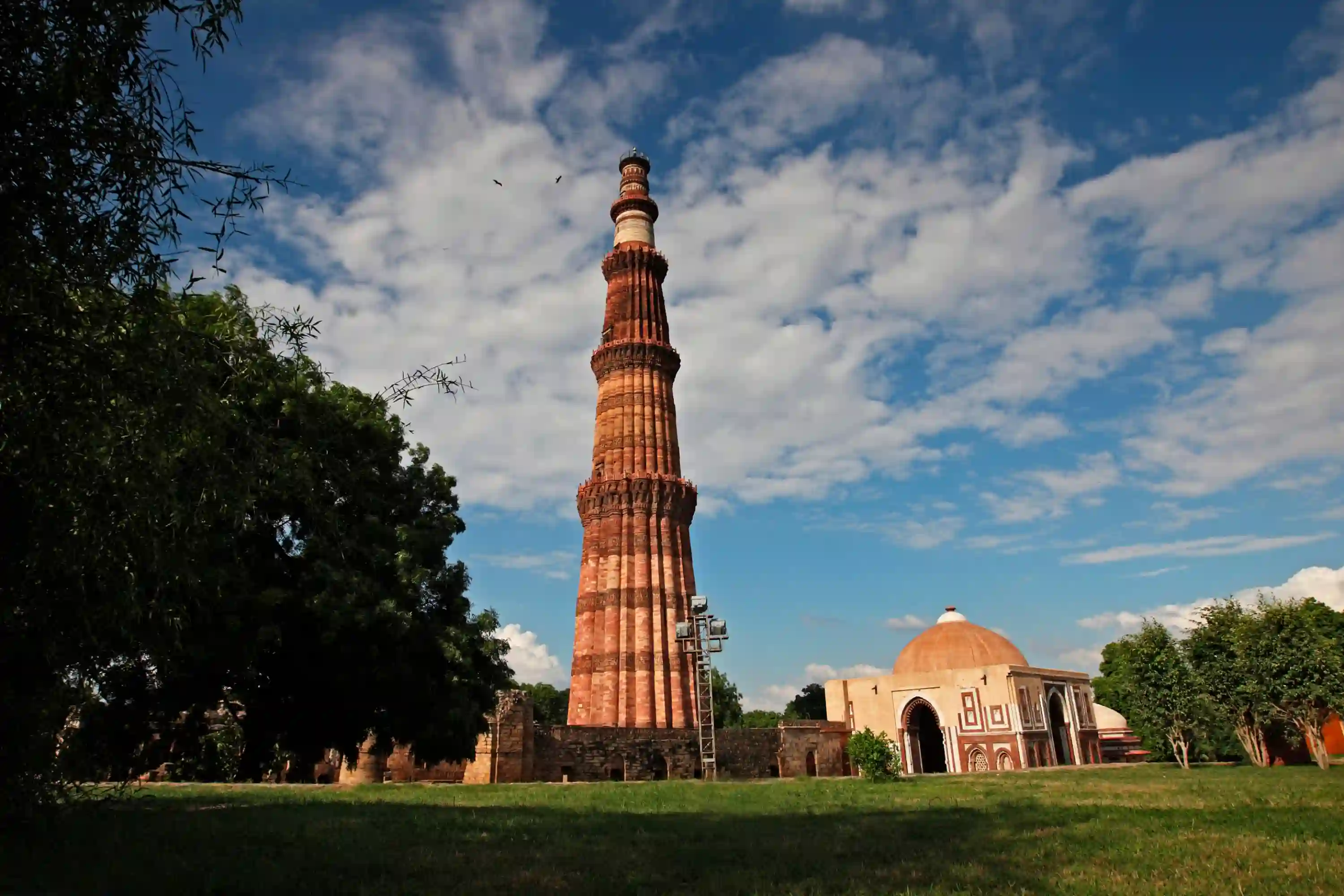
Day 1: Arrive in Delhi and explore India Gate, Humayun's Tomb, Qutub Minar, Lotus Temple, and Connaught Place.
Day 2: Visit Red Fort, Jama Masjid, Chandni Chowk, and drive to Agra in the evening.
Day 3: Watch the sunrise at the Taj Mahal before exploring Agra Fort. Later, continue toward Jaipur with a stop at Fatehpur Sikri.
Day 4: Discover Amber Fort, Jal Mahal, City Palace, Jantar Mantar, and Hawa Mahal.
Day 5: Enjoy shopping in Jaipur's colorful bazaars before returning to Delhi or flying home.
This schedule covers all the essential attractions without making the journey feel exhausting.
Why a 7-Day Tour Is Even Better
Although five days work well, seven days provide a much more enjoyable experience. Instead of rushing from one monument to another, you'll have time to slow down and appreciate each city's unique personality. You can explore hidden cafés in Delhi, enjoy a traditional Rajasthani cultural evening in Jaipur, or spend extra time admiring the intricate craftsmanship of the Taj Mahal.
A seven-day journey also gives travelers greater flexibility. Unexpected weather, local festivals, or traffic delays become less stressful when your schedule isn't packed from morning until night. Families with children and senior travelers especially benefit from the slower pace.
Highlights of Delhi
Delhi offers an incredible combination of ancient history and modern development. The city is home to centuries-old forts, bustling street markets, elegant government buildings, and vibrant food streets. Visitors often begin with India Gate before exploring Humayun's Tomb, a masterpiece of Mughal architecture that inspired the design of the Taj Mahal.
Old Delhi provides an entirely different atmosphere. Walking through Chandni Chowk feels like stepping into another era, with narrow lanes filled with spice shops, jewelry stores, street food vendors, and historic mosques. The contrast between Old Delhi and New Delhi makes the capital one of India's most fascinating cities.
The Beauty of Agra
Agra's global reputation comes primarily from the Taj Mahal, one of the Seven Wonders of the World. Built by Emperor Shah Jahan in memory of his wife Mumtaz Mahal, this magnificent white marble monument attracts millions of visitors every year. Sunrise is widely considered the best time to visit because the changing light creates breathtaking reflections across the marble surface.
However, Agra offers much more than the Taj Mahal. Agra Fort provides stunning views of the monument while showcasing the power and wealth of the Mughal Empire. Visitors can also explore local marble workshops and enjoy traditional Mughlai cuisine that reflects centuries of royal influence.
Experience the Royal Charm of Jaipur
Jaipur, known as the Pink City, introduces travelers to Rajasthan's regal heritage. Massive hilltop forts, colorful palaces, vibrant markets, and traditional handicrafts create an unforgettable atmosphere. Amber Fort remains one of the city's biggest attractions, combining impressive architecture with panoramic views of the surrounding hills.
Within the city, landmarks such as Hawa Mahal, City Palace, and Jantar Mantar showcase Jaipur's artistic brilliance and scientific achievements. Shopping enthusiasts will love exploring local bazaars that offer textiles, gemstones, handicrafts, pottery, and handcrafted jewelry.
Best Time for a Golden Triangle India Tour
The ideal time for a
Golden Triangle India Tour
is between October and March, when the weather is pleasant and comfortable for sightseeing. During these months, daytime temperatures remain suitable for exploring monuments and walking through markets.
The summer months from April to June can become extremely hot, especially in Rajasthan. Monsoon season, from July to September, brings refreshing greenery but also occasional heavy rainfall. While travel is still possible during these months, outdoor sightseeing may require more flexible planning.
Travel Tips for First-Time Visitors
Planning ahead makes the journey smoother and more enjoyable. Book hotels near city centers to reduce travel time between attractions. Start sightseeing early in the morning to avoid large crowds, especially at the Taj Mahal and Amber Fort. Comfortable walking shoes are essential because many attractions involve extensive walking.
Hiring a private driver for the entire route is often the most convenient option, although trains and domestic flights also connect the three cities efficiently. Always carry bottled water, wear sunscreen, and keep some cash for local markets where smaller vendors may not accept digital payments.
Budget Considerations
The
Golden Triangle India Tour
suits nearly every budget. Backpackers can comfortably travel using budget hotels, local transportation, and affordable restaurants. Mid-range travelers enjoy excellent three- and four-star accommodations with guided sightseeing, while luxury travelers have access to heritage palaces, five-star hotels, and premium transportation.
Accommodation, transportation, entrance fees, dining, and shopping should all be considered when planning your budget. Booking hotels and transportation in advance often helps secure better prices, especially during the peak tourist season.
Why the Golden Triangle Remains India's Most Popular Tour
Few travel routes combine history, architecture, cuisine, culture, shopping, and heritage as effectively as the Golden Triangle India Tour. Every destination offers something unique while complementing the others perfectly. Delhi introduces India's vibrant energy, Agra amazes visitors with timeless Mughal masterpieces, and Jaipur provides a royal glimpse into Rajasthan's colorful traditions.
This combination makes the circuit ideal for travelers who want a comprehensive introduction to India without covering excessive distances. Whether you're visiting for the first time or returning to explore more deeply, the journey consistently delivers unforgettable memories.
Conclusion
The ideal length for a Golden Triangle India Tour is 5 to 7 days, giving travelers enough time to comfortably experience Delhi, Agra, and Jaipur without rushing. A five-day itinerary covers the major landmarks, while a seven-day trip allows for a more relaxed pace and additional cultural experiences. If you have extra time, extending your journey to 8–10 days lets you explore nearby attractions, enjoy local festivals, and truly immerse yourself in India's rich heritage.
From witnessing the sunrise over the Taj Mahal to wandering through Jaipur's colorful bazaars and exploring Delhi's centuries-old monuments, every day of the journey offers something memorable. Whether you're traveling with family, friends, or solo, the Golden Triangle India Tour remains one of the best ways to discover the heart and soul of India.