Golden Triangle Tour with Udaipur and Ranthambore
India is a land of diverse landscapes, royal heritage, magnificent architecture, and vibrant traditions. Among the country's most popular travel experiences, the Golden Triangle Tour with Udaipur and Ranthambore stands out as an unforgettable journey that combines history, wildlife, culture, and romance. This extended itinerary takes travelers through the iconic cities of Delhi, Agra, and Jaipur while adding the enchanting city of Udaipur and the thrilling wilderness of Ranthambore National Park.
From witnessing the timeless beauty of the Taj Mahal to spotting Bengal tigers in their natural habitat and admiring the lakes and palaces of Udaipur, this tour offers a perfect blend of experiences. Whether you are visiting India for the first time or returning to explore more of its treasures, this journey promises memories that will last a lifetime.
Why Choose a Golden Triangle Tour with Udaipur and Ranthambore?
The traditional Golden Triangle route is already one of India's most famous tourist circuits, connecting Delhi, Agra, and Jaipur. However, adding Udaipur and Ranthambore elevates the experience to another level. Travelers not only enjoy architectural wonders and historical monuments but also experience Rajasthan's royal heritage and India's incredible wildlife.
One of the greatest advantages of this itinerary is variety. Few journeys offer the opportunity to explore bustling cities, ancient forts, majestic palaces, serene lakes, and wildlife sanctuaries within a single trip. This combination makes the tour suitable for families, honeymooners, history enthusiasts, photographers, and nature lovers alike.
A carefully planned Golden Triangle Tour allows visitors to enjoy each destination at a comfortable pace while discovering the unique character of every city.
Delhi: Beginning the Journey
The adventure begins in Delhi, India's capital city and one of the oldest continuously inhabited cities in the world. Delhi represents a fascinating blend of ancient traditions and modern development. The city offers visitors a chance to experience Mughal architecture, colonial landmarks, bustling markets, and diverse cuisines.
Old Delhi is famous for Jama Masjid, Chandni Chowk, and the Red Fort. Walking through the narrow lanes of Chandni Chowk feels like stepping back in time. The vibrant atmosphere, colorful shops, and irresistible street food provide an authentic glimpse into Indian culture.
New Delhi showcases a different side of the city. India Gate, Rashtrapati Bhavan, Humayun's Tomb, and Qutub Minar reflect the grandeur and historical significance of the capital. Travelers often spend two days exploring Delhi before continuing their journey. This first chapter of the Golden Triangle Tour introduces visitors to India's rich cultural heritage and prepares them for the wonders ahead.
Agra: Home of the Magnificent Taj Mahal
From Delhi, travelers proceed to Agra, a city synonymous with the legendary Taj Mahal. This architectural masterpiece, built by Emperor Shah Jahan in memory of his beloved wife Mumtaz Mahal, remains one of the Seven Wonders of the World and a symbol of eternal love.
Sunrise at the Taj Mahal is considered one of the most magical experiences in India. As the first rays of sunlight illuminate the white marble structure, the monument transforms into a breathtaking vision. The intricate carvings, precious stone inlay work, and perfect symmetry make the Taj Mahal a masterpiece of Mughal architecture.
Agra Fort is another important attraction. Built by Emperor Akbar, this UNESCO World Heritage Site served as the residence of Mughal rulers for generations. Visitors can explore magnificent palaces, courtyards, and audience halls that reveal the grandeur of the Mughal Empire.
Many travelers consider Agra the emotional heart of the Golden Triangle Tour, thanks to the beauty and romance associated with the Taj Mahal.
Fatehpur Sikri: The Abandoned Mughal Capital
On the way to Jaipur, visitors often stop at Fatehpur Sikri, one of India's finest historical treasures. Constructed by Emperor Akbar in the sixteenth century, this city once served as the capital of the Mughal Empire. Although abandoned due to water shortages, it remains remarkably well preserved.
Buland Darwaza, Jama Masjid, Panch Mahal, and the Tomb of Sheikh Salim Chishti are among the major attractions. The architecture reflects a unique blend of Persian, Islamic, and Indian styles, showcasing the artistic brilliance of the Mughal era.
Walking through Fatehpur Sikri feels like entering a forgotten world where emperors once held court and history unfolded within magnificent walls. The city offers valuable insights into the life and vision of Emperor Akbar, one of India's greatest rulers.
Jaipur: The Pink City of Rajasthan
Jaipur, the capital of Rajasthan, welcomes visitors with colorful streets, royal palaces, and vibrant traditions. Known as the Pink City, Jaipur is one of the highlights of every Golden Triangle Tour. Its architectural beauty and rich cultural heritage make it one of India's most beloved destinations.
Amber Fort stands proudly on a hill overlooking Maota Lake. The fort's grand halls, courtyards, and mirror palace showcase the splendor of Rajput architecture. City Palace, still partially occupied by Jaipur's royal family, houses museums and priceless artifacts that tell the story of Rajasthan's glorious past.
Hawa Mahal, or the Palace of Winds, is another iconic landmark. Its distinctive façade with hundreds of windows allowed royal women to observe street festivities while maintaining privacy. Jantar Mantar, a UNESCO World Heritage Site, highlights India's ancient achievements in astronomy.
Jaipur's lively markets are equally captivating. Travelers can shop for jewelry, textiles, handicrafts, and traditional Rajasthani souvenirs while experiencing the city's colorful atmosphere.
Ranthambore National Park: A Wildlife Adventure
After exploring Jaipur, the journey continues to Ranthambore National Park, one of India's most famous wildlife reserves. Located in Rajasthan, Ranthambore is renowned for its Bengal tiger population and stunning natural landscapes.
The park covers approximately 1,334 square kilometers and offers visitors the opportunity to encounter a variety of wildlife species, including leopards, sloth bears, crocodiles, hyenas, deer, and hundreds of bird species. Jeep safaris provide thrilling experiences as travelers venture deep into the forest in search of the elusive tiger.
Ancient ruins scattered throughout the park add a unique historical dimension to the wildlife experience. Ranthambore Fort, a UNESCO World Heritage Site, overlooks the reserve and offers panoramic views of the surrounding wilderness.
Adding Ranthambore to the Golden Triangle Tour creates an exciting contrast between royal heritage and untamed nature. For photographers and wildlife enthusiasts, this destination often becomes one of the most memorable highlights of the trip.
Udaipur: The City of Lakes
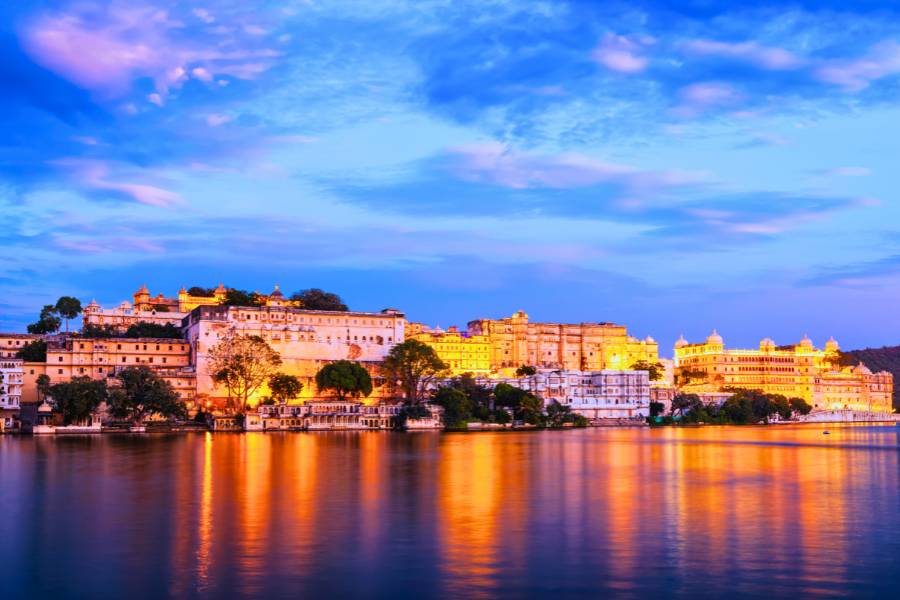
From Ranthambore, travelers continue to Udaipur, often regarded as the most romantic city in India. Surrounded by the Aravalli Hills and adorned with beautiful lakes and palaces, Udaipur possesses a charm unlike any other destination in the country.
Lake Pichola is the heart of the city and offers breathtaking boat rides, especially during sunset. The shimmering waters reflect the beauty of the City Palace and the famous Lake Palace, creating postcard-perfect scenes that captivate visitors.
City Palace is one of Rajasthan's largest palace complexes. Its balconies, courtyards, museums, and panoramic views showcase the grandeur of the Mewar dynasty. Nearby attractions include Jagdish Temple, Saheliyon Ki Bari, and Fateh Sagar Lake.
Udaipur's peaceful atmosphere provides a refreshing contrast to the bustling cities visited earlier. Couples, honeymooners, and photographers particularly appreciate the city's romantic ambiance and stunning scenery.
Experiencing Rajasthan's Culture
Rajasthan is famous for its colorful traditions, music, dance, and cuisine. Travelers exploring Jaipur, Ranthambore, and Udaipur can enjoy authentic cultural experiences that enrich their journey.
Traditional folk performances featuring Ghoomar dance and puppet shows provide insight into Rajasthan's artistic heritage. Visitors can also participate in cooking classes and handicraft workshops to learn more about local customs.
Rajasthani cuisine is another highlight. Popular dishes include Dal Baati Churma, Gatte Ki Sabzi, Laal Maas, and Ker Sangri. These flavorful dishes reflect the region's history and culinary traditions.
Local markets offer exquisite textiles, miniature paintings, silver jewelry, and handcrafted souvenirs. Every interaction with Rajasthan's culture adds depth and authenticity to the travel experience.
Best Time to Visit
The ideal period for this journey is from October to March when the weather remains pleasant and comfortable. During these months, temperatures are moderate, making sightseeing and wildlife safaris more enjoyable.
Winter mornings provide ideal conditions for visiting the Taj Mahal, while Ranthambore offers excellent opportunities for wildlife sightings. Festivals such as Diwali and Holi add extra vibrancy to the experience and allow travelers to witness India's colorful celebrations.
Although summers can be hot, they also provide increased chances of tiger sightings in Ranthambore as animals gather near water sources. Each season offers unique experiences depending on travelers' interests and preferences.
Accommodation and Transportation
Travelers have numerous accommodation options ranging from luxury heritage hotels to comfortable budget properties. Staying in royal palaces converted into hotels provides a unique opportunity to experience Rajasthan's regal lifestyle.
Transportation is equally convenient. Private cars with professional drivers remain the preferred option for most visitors, ensuring flexibility and comfort throughout the journey. Domestic flights and trains are also available for certain segments of the tour.
Professional guides enhance the experience by sharing historical stories, architectural details, and local insights that bring each destination to life.
Travel Tips for Visitors
Carrying comfortable walking shoes is essential because many attractions involve extensive exploration. Light clothing, sunscreen, sunglasses, and hats are recommended during warmer months. Travelers should also carry cameras to capture unforgettable moments.
Booking accommodations and safari permits in advance is advisable, especially during peak tourist seasons. Respecting local customs and preserving historical monuments contribute to a positive travel experience.
Maintaining flexibility and allowing time for spontaneous discoveries often leads to the most memorable moments during the journey.
Conclusion
The Golden Triangle Tour with Udaipur and Ranthambore is one of the most rewarding travel experiences in India. It combines the architectural wonders of Delhi, Agra, and Jaipur with the thrilling wildlife adventures of Ranthambore and the romantic beauty of Udaipur. This carefully balanced itinerary showcases the country's extraordinary diversity and provides travelers with unforgettable memories.
From standing before the majestic Taj Mahal and exploring royal palaces to spotting Bengal tigers and cruising across tranquil lakes, every moment offers something unique. Whether you are passionate about history, wildlife, culture, or photography, this journey delivers experiences that remain etched in your heart long after the trip ends.
For anyone seeking a comprehensive and enriching exploration of India, the Golden Triangle Tour with Udaipur and Ranthambore represents the perfect combination of heritage, adventure, and beauty.
Frequently Asked Questions
1. How many days are required for the Golden Triangle Tour with Udaipur and Ranthambore?
A duration of 10 to 14 days is ideal for comfortably exploring all destinations.
2. What are the major attractions included in this itinerary?
Major attractions include the Taj Mahal, Agra Fort, Amber Fort, City Palace Jaipur, Ranthambore National Park, Lake Pichola, and Udaipur City Palace.
3. Is Ranthambore famous for tiger sightings?
Yes, Ranthambore National Park is one of India's best places to spot Bengal tigers in their natural habitat.
4. Why is Udaipur called the City of Lakes?
Udaipur is surrounded by several beautiful lakes, including Lake Pichola and Fateh Sagar Lake, which contribute to its scenic charm.
5. What is the best season for this tour?
October to March is considered the best time due to pleasant weather and favorable conditions for sightseeing and wildlife safaris.