Golden Triangle Tour 3 Days Itinerary: Delhi Agra Jaipur Travel Guide
Introduction
India is a country known for its incredible diversity, rich culture, and centuries-old heritage. Among the many travel routes that showcase the beauty of North India, the
Golden Triangle Tour 3 Days itinerary is one of the most popular choices for travelers who want to explore the country in a short time.
This classic travel circuit connects three of India’s most iconic cities—Delhi, Agra, and Jaipur—forming a triangle on the map and offering a perfect blend of history, architecture, and culture.
For travelers who have limited time but still want to experience the highlights of India, the
Golden Triangle Tour 3 Days itinerary provides a well-balanced journey. In just three days, visitors can explore ancient Mughal monuments, majestic forts, vibrant markets, and royal palaces. From the busy streets of Delhi to the timeless beauty of the Taj Mahal in Agra and the colorful heritage of Jaipur, this tour captures the essence of North India.
This travel guide is designed especially for first-time visitors who want a quick yet memorable experience. With proper planning and an efficient itinerary, travelers can visit some of the most famous UNESCO World Heritage Sites and immerse themselves in the rich traditions of India. In this detailed guide, we will explore the day-by-day itinerary, best places to visit, travel tips, and the best time to plan a
Golden Triangle Tour 3 Days adventure.
What is the Golden Triangle Tour?
The Golden Triangle is one of the most famous travel routes in India, connecting the three historically significant cities of Delhi, Agra, and Jaipur. Together, these cities represent different periods of Indian history and showcase the cultural diversity of the region.
Delhi, the capital of India, combines ancient history with modern urban life. Agra is globally known for the Taj Mahal, one of the Seven Wonders of the World. Jaipur, the capital of Rajasthan, is famous for its royal palaces, historic forts, and colorful bazaars.
The
Golden Triangle Tour 3 Days itinerary is specially designed for travelers who want to experience these three cities within a short time frame. Even though the schedule is compact, it allows visitors to see major attractions and gain a deeper understanding of India’s history and architecture.
The route forms a triangular shape on the map, with Delhi in the north, Agra in the southeast, and Jaipur in the southwest. The distance between each city is relatively manageable, making it possible to travel comfortably by car or train within three days.
Why Choose a 3 Day Golden Triangle Tour
Many travelers visiting India have limited time but still want to explore the country’s most iconic landmarks. The
Golden Triangle Tour 3 Days itinerary is perfect for those who want a quick yet immersive travel experience.
One of the biggest advantages of this tour is efficiency. Within a short period, travelers can visit several UNESCO World Heritage Sites, including the Taj Mahal, Agra Fort, and Qutub Minar. These monuments represent some of the most important historical periods in India.
Another benefit is the variety of experiences offered during the tour. Visitors can explore Mughal architecture in Agra, Rajput royal heritage in Jaipur, and the vibrant urban culture of Delhi. This combination makes the tour both exciting and educational.
Travel convenience is another major reason why many travelers prefer this route. Modern highways like the Yamuna Expressway have significantly reduced travel time between Delhi and Agra, allowing visitors to maximize their sightseeing time.
Day 1: Arrival and Exploring Delhi
The first day of the
Golden Triangle Tour 3 Days begins in Delhi, the capital city of India and a place where ancient history meets modern life. Delhi is divided into two main parts: Old Delhi and New Delhi, each offering unique attractions.
Start your morning in Old Delhi by visiting the famous Red Fort. Built by Mughal Emperor Shah Jahan in the 17th century, this massive red sandstone fortress served as the royal residence of the Mughal rulers for nearly two centuries. The impressive architecture and historical significance make it one of the most important landmarks in the city.
Next, visit Jama Masjid, one of the largest mosques in India. Built in 1656, this magnificent mosque can accommodate thousands of worshippers and offers breathtaking views of Old Delhi from its minarets.
After exploring the mosque, take a rickshaw ride through Chandni Chowk, one of the oldest and busiest markets in Delhi. The narrow lanes are filled with shops selling spices, jewelry, textiles, and delicious street food. Walking through this market gives visitors a glimpse into the vibrant daily life of the city.
In the afternoon, move toward New Delhi to visit India Gate, a war memorial dedicated to Indian soldiers who died during World War I. The surrounding gardens make it a popular place for both locals and tourists. End the day with a visit to Qutub Minar, the tallest brick minaret in the world and a UNESCO World Heritage Site.
Day 2: Delhi to Agra – Visit the Taj Mahal
On the second day of your Golden Triangle journey, travel from Delhi to Agra, which is approximately 230 kilometers away. The journey usually takes around three to four hours by road via the Yamuna Expressway.
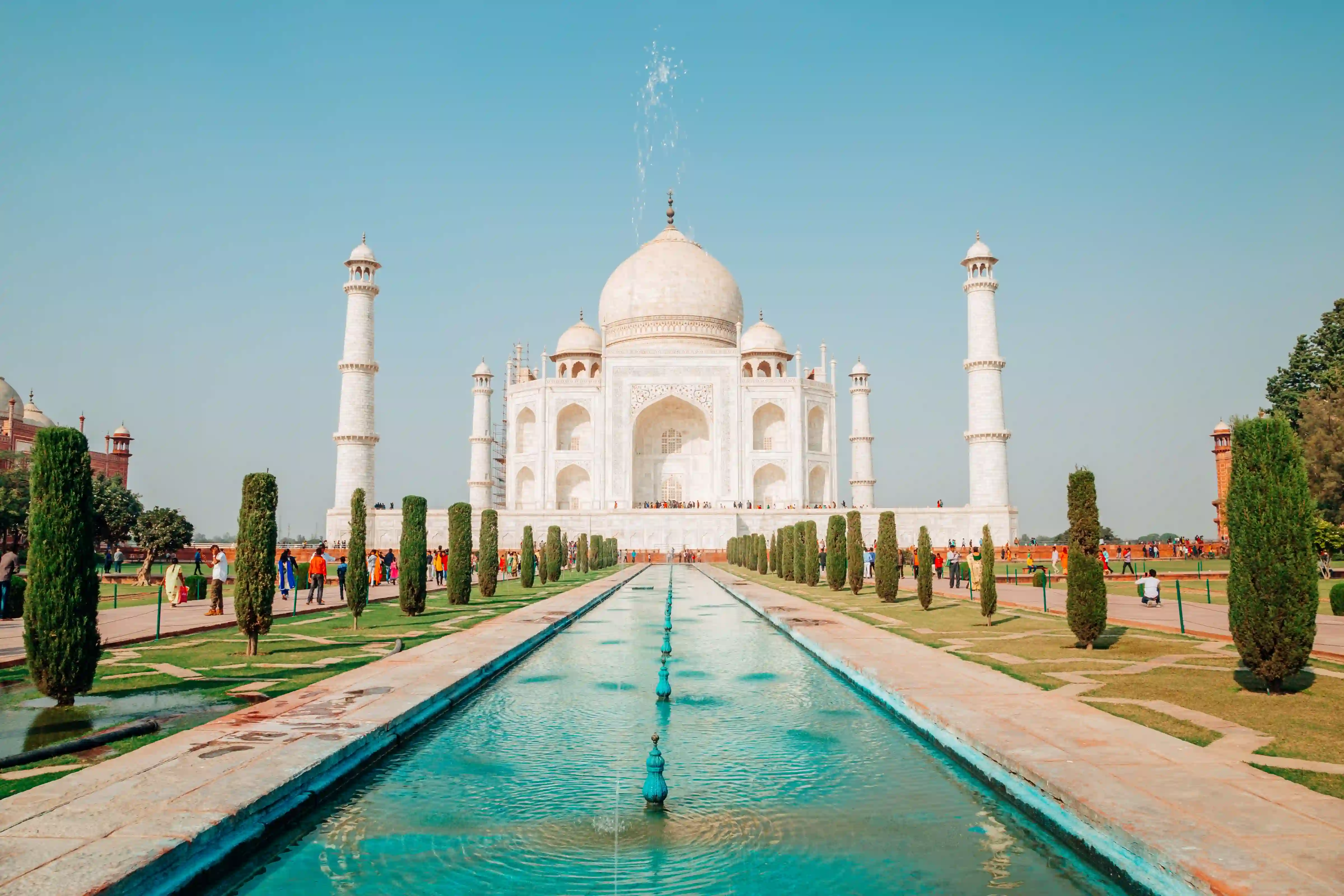
Upon arrival in Agra, the first and most important stop is the Taj Mahal. This magnificent white marble monument was built by Mughal Emperor Shah Jahan in memory of his beloved wife Mumtaz Mahal. The Taj Mahal is widely regarded as one of the most beautiful buildings ever created and attracts millions of visitors every year.
Walking through the grand entrance gate and seeing the Taj Mahal for the first time is an unforgettable experience. The symmetrical gardens, reflecting pools, and intricate marble carvings make it a masterpiece of Mughal architecture.
After visiting the Taj Mahal, continue your tour to Agra Fort, another UNESCO World Heritage Site. This massive fortress was built by Emperor Akbar and served as the main residence of the Mughal emperors before the capital moved to Delhi.
Inside the fort, visitors can explore beautiful palaces, audience halls, and courtyards that showcase the luxurious lifestyle of the Mughal rulers. From certain points inside the fort, you can even see distant views of the Taj Mahal across the Yamuna River.
Day 3: Agra to Jaipur and Departure
The final day of the Golden Triangle journey takes you from Agra to Jaipur, the capital city of Rajasthan and one of India’s most colorful destinations.
On the way to Jaipur, stop at Fatehpur Sikri, a historic Mughal city built by Emperor Akbar in the 16th century. Although it served as the Mughal capital for only a short period, the city remains one of the best-preserved examples of Mughal architecture.
The complex includes impressive structures such as Buland Darwaza, Jama Masjid, and the palace of Jodha Bai. Walking through the courtyards and halls provides a fascinating glimpse into the grandeur of the Mughal Empire.
After exploring Fatehpur Sikri, continue your journey to Jaipur. Upon arrival, begin your sightseeing with a visit to Amber Fort, located on a hilltop just outside the city. This magnificent fort is known for its beautiful courtyards, intricate carvings, and the famous Sheesh Mahal, or Mirror Palace.
Next, visit the iconic Hawa Mahal, also known as the Palace of Winds. This unique structure features hundreds of small windows that allowed royal women to observe street festivals without being seen. You may also explore the City Palace and Jantar Mantar before completing your journey.
Best Time to Take the Golden Triangle Tour
The best time to plan a Golden Triangle Tour trip is during the winter season from October to March. During these months, the weather remains pleasant and comfortable for sightseeing.
Summers from April to June can be extremely hot in North India, with temperatures sometimes exceeding 40°C. Travelers visiting during this time should start their sightseeing early in the morning.
The monsoon season from July to September brings occasional rainfall, but the landscapes become greener and more refreshing.
Travel Tips for the Golden Triangle Tour
Travelers planning a Golden Triangle trip should start their days early to avoid crowds at popular attractions like the Taj Mahal and Amber Fort. Wearing comfortable clothing and walking shoes is essential because many monuments require a fair amount of walking.
Carrying sunscreen, sunglasses, and a reusable water bottle is also recommended, especially during warmer months. Hiring a knowledgeable guide can make the experience more enjoyable by providing historical insights and cultural stories.
Visitors should also respect local customs and dress modestly when visiting religious sites.
The Golden Triangle Tour 3 Days itinerary is one of the best ways to experience the highlights of North India within a short period. Despite its compact schedule, the tour offers an incredible mix of history, culture, architecture, and vibrant local life.
From exploring the historic streets of Delhi to witnessing the timeless beauty of the Taj Mahal in Agra and discovering the royal heritage of Jaipur, every destination offers something unique.
For travelers visiting India for the first time, the Golden Triangle Tour 3 Days journey provides a perfect introduction to the country’s rich cultural heritage and unforgettable landmarks. Even in just three days, this tour creates memories that will last a lifetime.