Best Delhi Food Tour for First-Time Visitors
Delhi is not just India's capital city; it is also one of the country's most exciting culinary destinations. For travelers visiting India for the first time, exploring Delhi's food scene offers a fascinating introduction to the nation's rich culture, history, and traditions. Every street, market, and neighborhood tells a story through its food, making a Delhi Food Tour one of the most rewarding experiences for anyone wanting to understand the city beyond its famous monuments and historical landmarks.
From sizzling street snacks and fragrant curries to royal Mughlai delicacies and modern fusion dishes, Delhi presents an endless variety of flavors. The city's culinary heritage reflects centuries of cultural influences, including Mughal, Punjabi, Afghan, and regional Indian cuisines. For first-time visitors, navigating this incredible food landscape can feel overwhelming, which is why a well-planned Delhi Food Tour provides the perfect way to discover the city's best culinary treasures.
Why Delhi Is a Paradise for Food Lovers
Delhi's food culture is unlike anywhere else in India. The city has served as the seat of numerous empires and dynasties, each contributing unique flavors and cooking techniques. As a result, Delhi offers a remarkable blend of traditional and contemporary cuisines that appeal to every type of traveler.
One of the most fascinating aspects of Delhi's culinary scene is its diversity. In a single day, visitors can enjoy spicy street food in Old Delhi, authentic Punjabi dishes in local restaurants, luxurious Mughlai cuisine in historic eateries, and innovative international flavors in modern cafes. This incredible variety makes every meal an adventure.
Many travelers quickly discover that food is deeply connected to Delhi's identity. The city's bustling markets, lively streets, and historic neighborhoods come alive through the aromas of freshly prepared dishes. A guided Delhi Food Tour helps visitors navigate these vibrant food hubs while learning about the stories and traditions behind each specialty.
The Rich History Behind Delhi's Cuisine
Delhi's culinary heritage stretches back centuries. The arrival of Mughal rulers significantly influenced the city's food culture, introducing rich gravies, aromatic spices, slow-cooked meats, and elaborate cooking methods. Many of the dishes enjoyed today have roots in royal kitchens that once served emperors and nobles.
Following India's partition in 1947, large numbers of Punjabi refugees settled in Delhi and brought their culinary traditions with them. Their influence transformed the city's food landscape, popularizing dishes such as butter chicken, tandoori chicken, and various stuffed breads.
Over time, migrants from different regions of India added their own specialties to Delhi's growing food culture. Today, the city offers authentic flavors from nearly every corner of the country, making it a culinary microcosm of India itself.
Understanding this history adds depth to every bite and makes a Delhi Food Tour much more than simply tasting delicious food.
Exploring Old Delhi: The Heart of Street Food
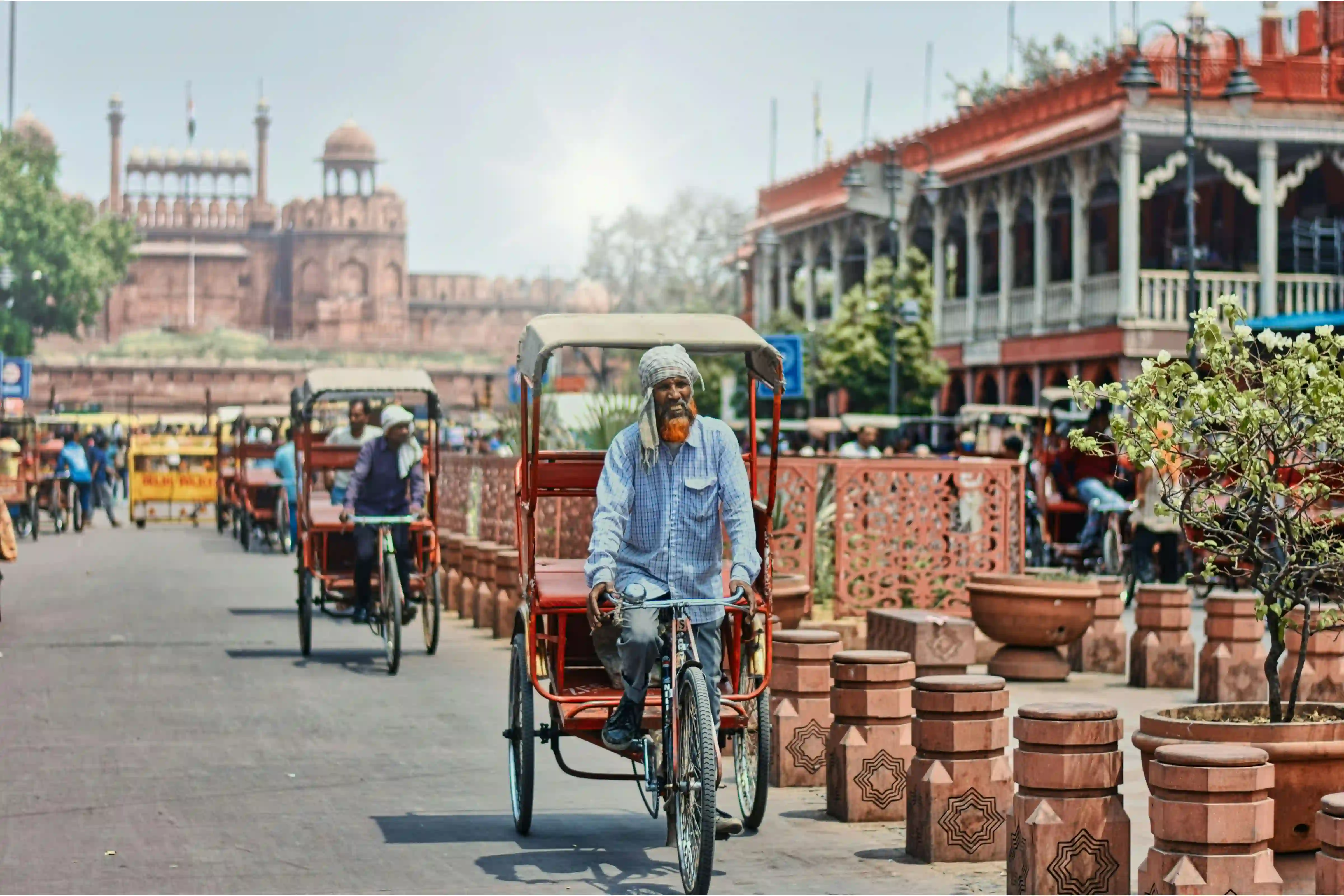
No food journey through Delhi is complete without visiting Old Delhi. This historic district remains one of the city's most famous culinary destinations and attracts food lovers from around the world.
The narrow lanes of Chandni Chowk are filled with legendary food stalls and family-run establishments that have served customers for generations. Walking through these bustling streets, visitors encounter an endless array of tempting dishes, each prepared using recipes passed down through decades.
Parathas, crispy stuffed flatbreads filled with potatoes, paneer, lentils, and vegetables, are among the area's most popular offerings. Equally famous are spicy chaats, which combine crispy textures, tangy chutneys, yogurt, and aromatic spices to create unforgettable flavor combinations.
The sensory experience of Old Delhi is extraordinary. The sounds of vendors, the sight of colorful ingredients, and the aromas of freshly cooked food create an atmosphere unlike any other. For many travelers, this section of a Delhi Food Tour becomes the highlight of their entire trip.
Must-Try Street Foods in Delhi
Chole Bhature
This beloved North Indian dish consists of spicy chickpea curry served with deep-fried bread known as bhature. The combination is hearty, flavorful, and incredibly satisfying. Many locals consider it the perfect breakfast or brunch meal.
Aloo Tikki
Aloo tikki features crispy potato patties topped with yogurt, chutneys, chickpeas, and spices. The balance of textures and flavors makes it one of Delhi's most popular snacks.
Golgappa
Known by different names across India, golgappa consists of hollow crispy shells filled with spiced water, potatoes, and chickpeas. The explosion of flavors creates a unique and memorable eating experience.
Kebabs
Delhi's Mughlai heritage shines through its variety of kebabs. Tender meats marinated in spices and grilled to perfection offer a delicious glimpse into the city's royal culinary traditions.
Sampling these specialties during a Delhi Food Tour allows visitors to experience authentic local flavors while discovering the stories behind each dish.
Discovering Mughlai Cuisine
One of Delhi's greatest culinary treasures is its Mughlai cuisine. Introduced by the Mughal emperors, this style of cooking emphasizes rich flavors, aromatic spices, and luxurious ingredients.
Mughlai dishes often feature slow-cooked meats, creamy gravies, saffron, nuts, and dried fruits. Signature dishes such as biryani, korma, nihari, and seekh kebabs remain popular throughout the city.
Many historic restaurants near Jama Masjid continue to serve traditional Mughlai recipes that have been perfected over generations. Dining at these establishments offers visitors an opportunity to experience flavors once enjoyed by royalty.
The rich culinary traditions of Mughlai cuisine add an important dimension to any comprehensive Delhi Food Tour and provide valuable insight into the city's cultural history.
Delhi's Sweet Treats and Desserts
Delhi's culinary journey would be incomplete without exploring its incredible desserts. The city offers a wide variety of traditional sweets that satisfy every type of sweet tooth.
Jalebi is one of the most famous options. These crispy, syrup-soaked spirals are often enjoyed hot and fresh from local sweet shops. Their crunchy exterior and sweet interior create an irresistible combination.
Rabri, a thickened sweet milk dessert flavored with cardamom and nuts, offers a rich and indulgent experience. Kulfi, India's traditional ice cream, provides a refreshing treat during warm weather.
Many visitors are surprised by the diversity and complexity of Indian desserts. A dedicated Delhi Food Tour often includes stops at historic sweet shops where travelers can sample authentic local specialties.
Modern Food Experiences in New Delhi
While Old Delhi represents the city's historic culinary heart, New Delhi showcases its modern and cosmopolitan side. Trendy cafes, upscale restaurants, and contemporary food markets have transformed the city's dining scene in recent years.
Neighborhoods such as Connaught Place, Khan Market, and Hauz Khas Village offer a wide range of international and fusion cuisines. Visitors can enjoy everything from gourmet Indian dishes to global culinary creations prepared by innovative chefs.
These modern dining destinations provide a fascinating contrast to the traditional food experiences found in Old Delhi. Together, they demonstrate the city's ability to honor its culinary heritage while embracing new influences and trends.
The Importance of Local Guides
For first-time visitors, navigating Delhi's vast food landscape can be challenging. Local guides play a valuable role in helping travelers discover hidden culinary gems that might otherwise remain unnoticed.
Experienced guides understand the city's food culture, know which establishments maintain the highest quality standards, and can provide fascinating historical and cultural context. They also help visitors overcome language barriers and navigate busy neighborhoods with confidence.
A professionally organized Delhi Food Tour often includes carefully selected tasting locations, allowing participants to sample a diverse range of dishes while learning about their origins and significance.
Food Safety Tips for Travelers
While Delhi's food scene is generally safe and enjoyable, travelers should follow basic precautions to ensure a comfortable experience.
Choosing busy and well-established vendors is often a good indicator of food quality and freshness. Popular stalls typically prepare food continuously, reducing the risk of items sitting out for extended periods.
Drinking bottled water and avoiding ice from unknown sources is recommended. Visitors should also carry hand sanitizer and wash their hands regularly, especially before meals.
Gradually introducing spicy foods can help travelers adjust to local flavors and avoid digestive discomfort. Most guides on a Delhi Food Tour can recommend dishes that match individual spice preferences.
Best Time for a Food Tour in Delhi
Delhi's food culture can be enjoyed year-round, but certain seasons offer more comfortable conditions for exploring the city on foot.
The period between October and March is generally considered the best time to visit. Cooler temperatures make walking through markets and outdoor food districts much more pleasant.
Winter also brings seasonal specialties that are highly anticipated by locals. Traditional dishes prepared during this period often showcase unique ingredients and cooking techniques.
Evening tours are particularly popular because many food markets become especially vibrant after sunset. The lively atmosphere, illuminated streets, and bustling crowds create an unforgettable experience.
Cultural Connections Through Food
Food serves as a powerful gateway to understanding local culture. In Delhi, every dish reflects centuries of history, migration, trade, and social interaction.
Sharing meals with locals, observing traditional cooking methods, and learning about regional ingredients helps visitors develop a deeper appreciation for India's cultural diversity. These experiences often become some of the most meaningful memories from a trip.
A thoughtfully designed Delhi Food Tour encourages cultural exchange and allows travelers to connect with the city on a more personal level. Through food, visitors gain insights that extend far beyond what guidebooks can provide.
Conclusion
Delhi's extraordinary culinary landscape makes it one of the world's most exciting destinations for food lovers. From the historic lanes of Old Delhi and the royal flavors of Mughlai cuisine to the vibrant markets and modern dining districts of New Delhi, the city offers an endless variety of unforgettable experiences.
For first-time visitors, a Delhi Food Tour provides the perfect introduction to this rich and diverse food culture. It combines delicious tastings with fascinating historical insights, cultural discoveries, and authentic local interactions. Every dish tells a story, and every neighborhood offers a unique perspective on the city's remarkable heritage.
Whether you're sampling spicy street snacks, savoring traditional kebabs, indulging in sweet desserts, or exploring contemporary culinary innovations, Delhi promises a food journey unlike any other. The memories created through these flavors and experiences will remain long after the trip has ended, making a Delhi Food Tour one of the most rewarding adventures any traveler can enjoy.
FAQs
1. What is included in a Delhi Food Tour?
Most tours include guided visits to popular food markets, tastings of local dishes, cultural insights, and visits to historic eateries.
2. Is Delhi street food safe for tourists?
Yes, when choosing reputable and busy vendors. Guided tours often select trusted establishments with strong hygiene practices.
3. What are the most famous foods to try in Delhi?
Popular dishes include chole bhature, golgappa, aloo tikki, kebabs, parathas, jalebi, and various Mughlai specialties.
4. How long does a typical Delhi Food Tour last?
Most food tours last between 3 and 5 hours, depending on the itinerary and number of tasting stops.
5. What is the best season for a Delhi Food Tour?
October to March is generally the best period due to cooler weather and comfortable conditions for walking and sightseeing.