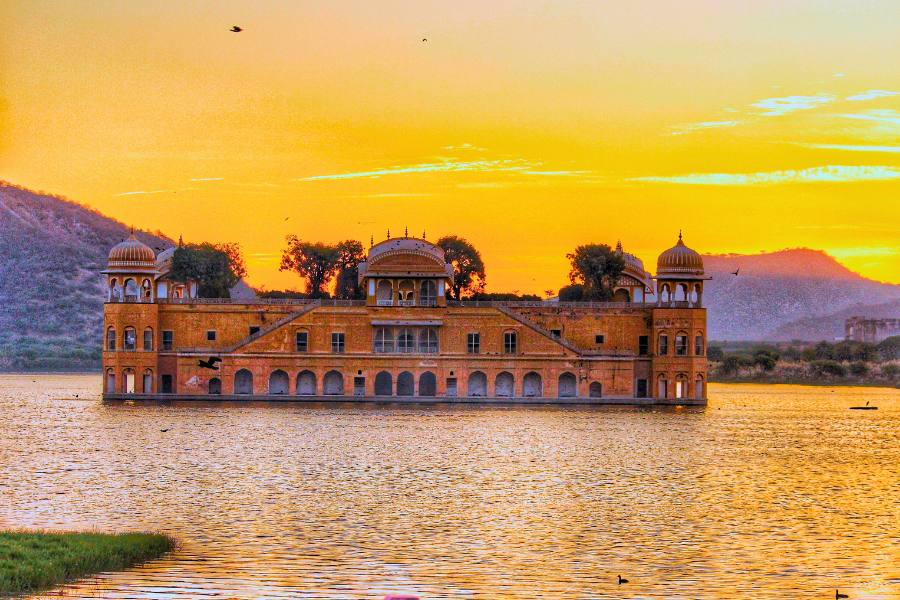
7 Days Golden Triangle India Tour with Taj Mahal & Jaipur
India is a country filled with timeless monuments, colorful traditions, vibrant markets, and unforgettable experiences. Among all travel routes, the Golden Triangle India Tour is undoubtedly the most popular itinerary for travelers who want to explore the country's rich history and cultural heritage within a week. Covering three iconic cities—Delhi, Agra, and Jaipur—this journey offers a perfect balance of architecture, cuisine, local traditions, and royal history. Whether you are visiting India for the first time or returning to discover more, a seven-day itinerary provides enough time to experience the highlights without feeling rushed.
The tour begins in Delhi, the bustling capital city where ancient monuments stand beside modern skyscrapers. It continues to Agra, home to the magnificent Taj Mahal, one of the Seven Wonders of the World. Finally, it takes you to Jaipur, the Pink City of Rajasthan, famous for its royal palaces, impressive forts, and colorful bazaars. This carefully planned journey gives travelers a complete introduction to India's diverse culture while allowing plenty of opportunities to enjoy authentic food, interact with local communities, and create lifelong memories.
Day 1: Arrival in Delhi – The Perfect Introduction to India
Your seven-day adventure starts in Delhi, a city that beautifully combines centuries of history with modern development. Upon arrival, travelers are welcomed by a fascinating mix of historical landmarks, bustling streets, and lively markets. Delhi has been the capital of several empires, leaving behind an extraordinary collection of forts, tombs, mosques, and colonial architecture.
Begin your sightseeing with India Gate, a magnificent war memorial surrounded by lush gardens. Continue to Rashtrapati Bhavan and Parliament House for a glimpse of India's political center. Explore Humayun's Tomb, a UNESCO World Heritage Site that inspired the design of the Taj Mahal. Visit Qutub Minar, the world's tallest brick minaret, showcasing remarkable Indo-Islamic architecture.
As evening approaches, stroll through Connaught Place or visit Chandni Chowk, where narrow lanes are packed with traditional shops selling spices, jewelry, textiles, and delicious street food. Sampling local dishes like chole bhature, parathas, jalebi, and kebabs introduces visitors to the incredible flavors of Indian cuisine. Delhi offers an energetic beginning that prepares travelers for the cultural richness awaiting them throughout the journey.
Day 2: Exploring Old and New Delhi
The second day focuses on discovering both the historical and contemporary sides of India's capital. Start your morning with Jama Masjid, one of India's largest mosques, before taking a memorable rickshaw ride through Chandni Chowk. The colorful markets, historic buildings, and bustling atmosphere provide an authentic glimpse into everyday life.
Visit Raj Ghat, the peaceful memorial dedicated to Mahatma Gandhi, before heading toward Lotus Temple, admired worldwide for its stunning flower-inspired architecture. Travelers interested in spirituality can also visit Akshardham Temple, known for its intricate carvings, cultural exhibitions, and impressive evening light show.
Shopping enthusiasts can explore Janpath Market or Dilli Haat, where artisans from across India sell handmade crafts, paintings, jewelry, carpets, and textiles. Spending another day in Delhi allows visitors to appreciate the city's unique ability to blend tradition with innovation while experiencing India's multicultural identity firsthand.
Day 3: Delhi to Agra – Witness the Beauty of the Taj Mahal
After breakfast, begin the drive to Agra via the Yamuna Expressway, one of India's finest highways. The comfortable journey takes approximately three to four hours, making it convenient for travelers to reach Agra before lunchtime.
No visit to India is complete without witnessing the breathtaking beauty of the Taj Mahal. Built by Mughal Emperor Shah Jahan in memory of his beloved wife Mumtaz Mahal, this white marble masterpiece remains one of the world's greatest architectural achievements. The monument changes color throughout the day, creating magical photographic opportunities during sunrise and sunset.
Beyond the Taj Mahal, Agra Fort deserves equal attention. This UNESCO World Heritage Site served as the residence of Mughal emperors and showcases impressive palaces, audience halls, gardens, and defensive walls. Visitors can also explore Mehtab Bagh, located across the Yamuna River, offering spectacular panoramic views of the Taj Mahal away from the crowds.
Agra is equally famous for its handicrafts, marble inlay work, leather products, and traditional sweets like Petha. Shopping in the local markets allows travelers to take home authentic souvenirs while supporting skilled local artisans.
Day 4: Agra to Jaipur via Fatehpur Sikri
The journey from Agra to Jaipur becomes even more memorable with a stop at Fatehpur Sikri, another UNESCO World Heritage Site. Once the capital of the Mughal Empire, this beautifully preserved city showcases magnificent red sandstone palaces, mosques, courtyards, and royal residences. Walking through Buland Darwaza, one of the tallest gateways in the world, gives visitors a sense of the empire's former grandeur.
Continue your drive through the scenic countryside of Rajasthan before arriving in Jaipur, famously known as the Pink City. The city's distinctive rose-colored buildings reflect its royal heritage and welcoming spirit. After checking into your hotel, spend the evening exploring local markets such as Bapu Bazaar or Johari Bazaar. These vibrant shopping districts are perfect for purchasing gemstones, block-printed textiles, handcrafted jewelry, leather products, and traditional Rajasthani souvenirs.
Day 5: Discovering the Royal Heritage of Jaipur
Jaipur is a treasure trove of magnificent forts and palaces that reveal the grandeur of Rajasthan's royal history. Start your day with a visit to Amber Fort, dramatically situated on a hill overlooking Maota Lake. Its beautiful courtyards, mirror palace, and artistic carvings make it one of India's finest historical monuments.
Next, visit the City Palace, which continues to serve as the residence of Jaipur's royal family. The palace complex houses museums displaying royal costumes, weapons, artwork, and historical artifacts. Nearby stands Jantar Mantar, an astronomical observatory recognized as a UNESCO World Heritage Site for its impressive collection of massive astronomical instruments.
Another must-see attraction is Hawa Mahal, the iconic Palace of Winds. Its unique honeycomb façade with hundreds of small windows allowed royal women to observe city life while maintaining privacy. As the evening arrives, enjoy authentic Rajasthani cuisine featuring dal baati churma, gatte ki sabzi, ker sangri, and traditional sweets. Cultural performances with folk music and dance provide an unforgettable conclusion to the day.
Day 6: Experience Jaipur's Local Culture
Spend your sixth day experiencing Jaipur beyond its famous landmarks. Visit Albert Hall Museum, Nahargarh Fort, or Jaigarh Fort for panoramic views of the city and deeper insight into Rajasthan's military and artistic history. These monuments showcase remarkable architecture while offering peaceful surroundings away from busier tourist attractions.
Local workshops provide opportunities to witness artisans creating blue pottery, block prints, miniature paintings, and gemstone jewelry using techniques passed down through generations. Travelers interested in cooking can participate in traditional Rajasthani cooking classes and learn recipes prepared with locally sourced spices.
The colorful bazaars remain among Jaipur's greatest attractions. Shopping for handcrafted souvenirs, textiles, silver jewelry, carpets, and decorative items allows visitors to experience the city's vibrant commercial traditions while interacting with friendly local merchants. This cultural immersion makes the Golden Triangle India Tour far more than a sightseeing journey—it becomes an authentic introduction to India's living heritage.
Day 7: Return to Delhi and Departure
After breakfast, begin the return journey to Delhi, reflecting on a week filled with extraordinary experiences. Depending on your departure schedule, you may have time for some final shopping or sightseeing before heading to the airport.
During just seven days, travelers witness the remarkable diversity that makes India one of the world's most fascinating destinations. From Delhi's historical monuments to Agra's breathtaking Taj Mahal and Jaipur's royal palaces, every destination contributes a unique chapter to the travel experience. The Golden Triangle India Tour successfully combines culture, architecture, history, cuisine, and hospitality into one unforgettable itinerary.
Best Time to Visit
The ideal season for this itinerary is between October and March, when the weather remains pleasant for sightseeing. Daytime temperatures are comfortable, making visits to forts, palaces, and outdoor attractions far more enjoyable. Spring festivals such as Holi and autumn celebrations like Diwali add extra color and excitement for visitors fortunate enough to travel during these periods.
Travel Tips
To make the most of your trip, wear comfortable walking shoes, carry sunscreen and a reusable water bottle, and dress modestly when visiting religious sites. Booking accommodations and transportation in advance ensures a smoother experience, especially during the peak tourist season. Hiring experienced local guides can also provide fascinating historical insights that enrich every destination.
Photography enthusiasts should plan early morning visits to popular monuments for softer lighting and fewer crowds. Keeping some cash for local markets and small vendors is also recommended, although digital payments are increasingly accepted across major cities.
Why Choose This Tour?
The Golden Triangle India Tour remains India's most recommended travel circuit because it offers an ideal balance of history, culture, architecture, shopping, and cuisine within a manageable timeframe. Instead of spending weeks traveling across the country, visitors can experience three of India's most iconic destinations in just seven days.
This itinerary suits solo travelers, couples, families, photographers, and history enthusiasts alike. Every city introduces a different aspect of India's identity—from Delhi's dynamic urban life to Agra's Mughal elegance and Jaipur's royal splendor. The convenience of excellent road connectivity and quality accommodation options makes planning remarkably straightforward.
Another advantage is the incredible variety of experiences packed into one trip. Travelers can admire UNESCO World Heritage Sites, taste regional cuisines, shop in colorful bazaars, witness traditional craftsmanship, and enjoy authentic cultural performances—all within a single week. Few travel routes offer such remarkable diversity in such a short period.
Conclusion
A 7 Days Golden Triangle India Tour with the Taj Mahal and Jaipur is one of the most rewarding travel experiences in India. It introduces visitors to the country's extraordinary heritage through magnificent monuments, royal palaces, bustling markets, delicious cuisine, and warm hospitality. Every destination reveals a different chapter of India's fascinating story, making each day memorable and inspiring.
Whether you dream of watching the sunrise over the Taj Mahal, exploring the majestic forts of Jaipur, or wandering through the historic streets of Delhi, this itinerary delivers an unforgettable journey filled with culture, history, and adventure. For anyone seeking a well-balanced introduction to India, the Golden Triangle India Tour remains the perfect choice, offering timeless memories that last long after the journey ends.
Frequently Asked Questions
1. How many days are ideal for the Golden Triangle India Tour?
Seven days are ideal for covering Delhi, Agra, and Jaipur comfortably while allowing enough time for sightseeing and cultural experiences.
2. What is included in the Golden Triangle India Tour?
Most tour packages include accommodation, transportation, guided sightseeing, airport transfers, and visits to major attractions such as the Taj Mahal, Amber Fort, India Gate, and City Palace.
3. Is the Taj Mahal open every day?
The Taj Mahal is open every day except Friday, when it is closed to general visitors for prayers.
4. What is the best time to visit Jaipur and the Taj Mahal?
October through March offers pleasant weather and is considered the best time for sightseeing.
5. Is the Golden Triangle India Tour suitable for families?
Yes. The itinerary is family-friendly and suitable for couples, solo travelers, seniors, and children due to its excellent infrastructure, comfortable transportation, and wide range of attractions.